








Why Hospitality Technology Trends Matter More Than Ever in 2026
If you are searching for hospitality technology trends or technology trends in hospitality industry, you are likely a hotel owner, operator, startup founder, or hospitality professional trying to answer one critical question:
Where should I invest next to stay competitive?
The hospitality industry has changed permanently. Guest expectations today are shaped by:
- Mobile-first experiences
- Instant personalization
- Contactless convenience
- Data-driven service quality
In 2026, technology is no longer a support function in hospitality. It is a core revenue and experience driver.
What I consistently see across hotels, resorts, short-stay rentals, and hospitality startups is this:
Properties that adopt the right tech trends grow faster, while others quietly lose repeat guests.
This is why even low-volume keywords like technology trends in hospitality industry carry strong intent. These searches usually come from decision-makers, not casual readers.
According to industry analysis published by McKinsey and Deloitte, digital transformation in hospitality directly improves guest satisfaction, operational efficiency, and profit margins, especially when technology is tied to real service outcomes instead of buzzwords.
Another important shift in 2026:
Hospitality technology is moving from “front desk tools” to end-to-end guest journey platforms — covering booking, check-in, stay experience, and post-visit engagement.
At Make An App Like, we work closely with hospitality brands, travel startups, and platform builders who integrate AI, automation, mobile apps, and data systems into real hotel operations. This hands-on exposure helps us identify trends that actually get adopted, not just talked about.
In this article, I will:
- Explain the 8 hospitality tech trends to leverage in 2026
- Show how each trend impacts revenue or guest experience
- Clarify who should adopt which trend and why
- Focus on practical, deployable technology
This guide is written for people who want actionable hospitality technology insights, not generic future predictions.
How These Hospitality Technology Trends Were Selected
Before listing the 8 hospitality tech trends, it’s important to explain why these trends matter and how they were chosen. This helps readers trust the list and helps reinforces relevance for hospitality technology trends and technology trends in hospitality industry searches.
Many articles talk about futuristic tech that looks impressive but never gets adopted. This guide avoids that.
The Selection Logic Behind These Trends
Each trend in this article meets four practical criteria.
1. Direct Impact on Guest Experience or Revenue
Every trend either:
- Improves guest satisfaction
- Increases repeat bookings
- Reduces operational cost
- Enables upselling or personalization
If a technology does not move one of these metrics, it does not make the list.
2. Already Being Adopted by Real Properties
These are not “maybe in five years” ideas. Hotels, resorts, and hospitality platforms are already deploying these technologies at different scales.
This is important because decision-makers searching technology trends in hospitality industry want validated direction, not experiments.
3. Scalable Across Property Types
The trends apply to:
- Hotels and resorts
- Boutique stays and hostels
- Serviced apartments and vacation rentals
Trends that work only for luxury chains or only for budget stays were excluded.
4. Supported by Mature Technology
All trends rely on technology that is stable enough to deploy today:
- AI and data platforms
- Mobile and cloud systems
- IoT and automation
- API-based integrations
This matters because hospitality operators cannot afford downtime or experimental systems.
Why These Trends Matter Specifically in 2026
In 2026, hospitality brands face:
- Rising operational costs
- Higher guest expectations
- Staffing challenges
- Increased competition from alternative stays
Technology is now the only sustainable lever to maintain service quality without increasing costs proportionally.
That’s why interest in hospitality technology trends continues to rise even when overall travel demand fluctuates.
At Make An App Like, we evaluate hospitality tech from a system-design perspective — how it integrates with PMS, CRM, booking engines, payment systems, and on-ground operations. The trends you’ll see next are chosen because they fit into real hospitality workflows, not just slide decks.
In the next part, I’ll start with Hospitality Tech Trends #1–#3, focusing on guest experience, automation, and data-driven service.
Hospitality Tech Trends to Leverage in 2026 (#1–#3)
These first three trends focus on guest experience automation, personalization, and operational efficiency. They consistently show up in real deployments when people search for hospitality technology trends and technology trends in hospitality industry.
1. AI-Powered Guest Communication & Virtual Concierge
Guests now expect instant responses, 24/7. Relying only on front-desk staff no longer scales.
AI-powered chat systems act as a virtual concierge, handling:
- Pre-arrival questions
- Check-in instructions
- Property information
- Local recommendations
- Service requests during the stay
These systems integrate with PMS and CRM tools to keep conversations contextual.
Why this trend matters in 2026:
- Reduces front-desk workload
- Improves response time
- Increases guest satisfaction scores
Many hotels now deploy AI chat across WhatsApp, web chat, and in-app messaging instead of email-only support.
Business impact:
Lower staffing pressure + higher guest engagement = better margins.
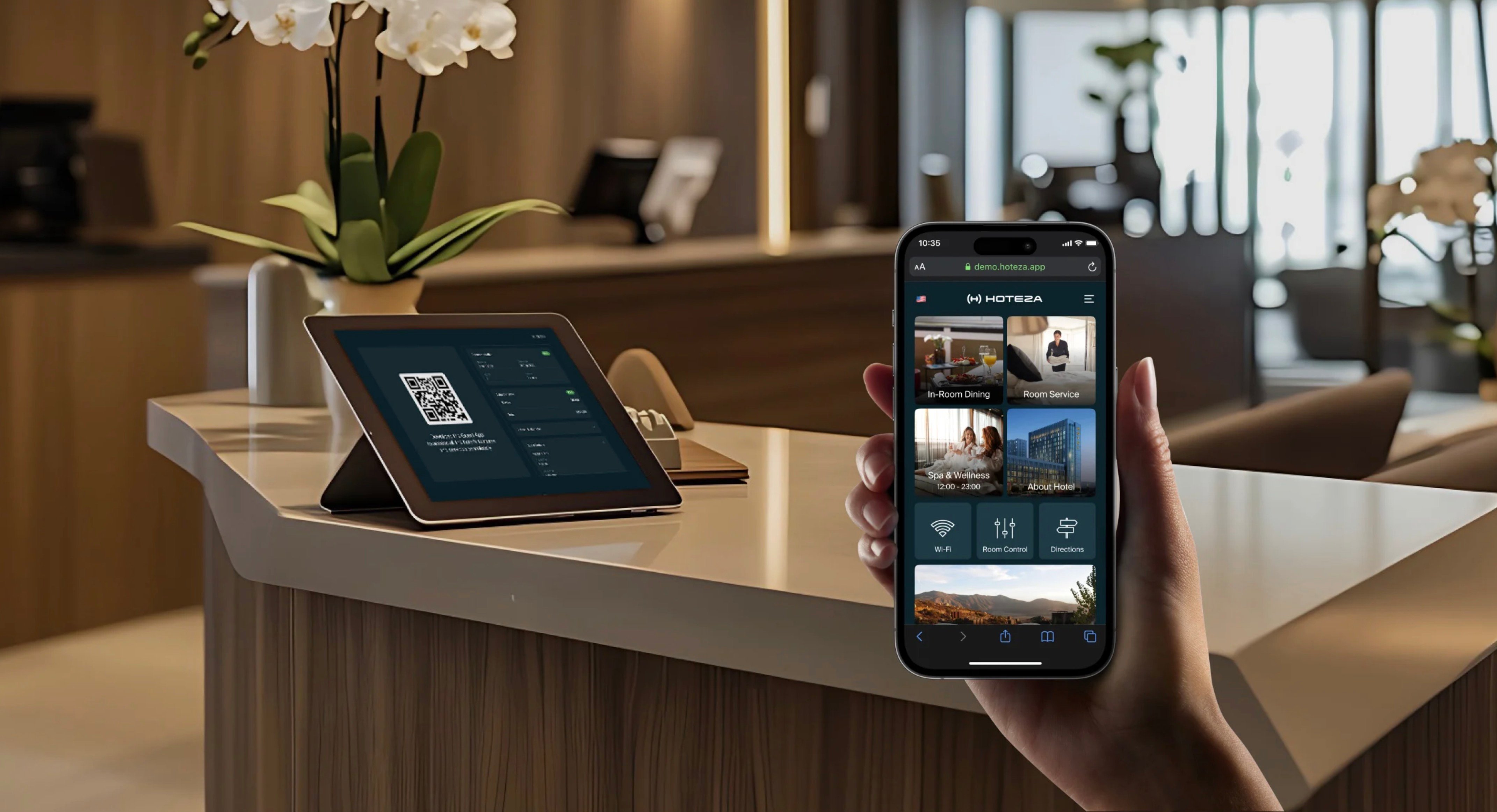
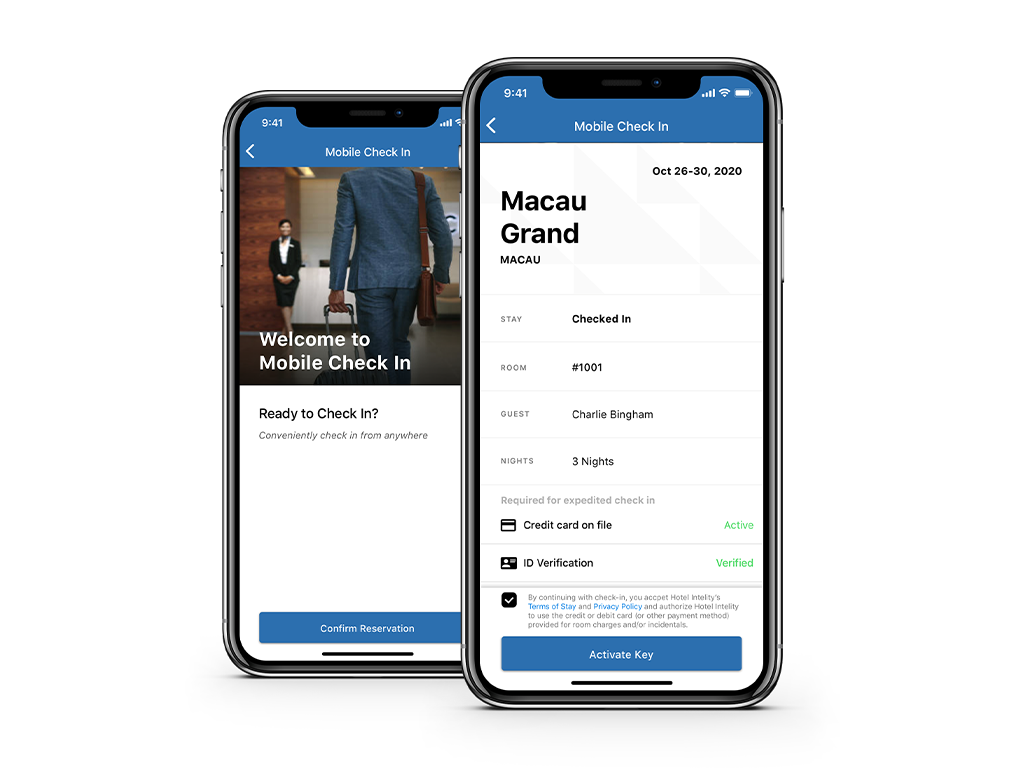
2. Contactless & Mobile-First Guest Journey
Contactless is no longer a “COVID trend.” It has become a convenience expectation.
Mobile-first hospitality tech now covers:
- Mobile check-in and check-out
- Digital room keys
- In-app payments
- Service booking from phone
Guests prefer controlling their stay from their device rather than standing in lines.
Why this trend matters in 2026:
- Faster check-in reduces congestion
- Fewer front-desk interactions needed
- Works well for hotels with limited staff
From my experience reviewing hospitality platforms, properties that implement full mobile journeys often see higher review ratings and repeat bookings.
Business impact:
Operational efficiency + modern guest perception.
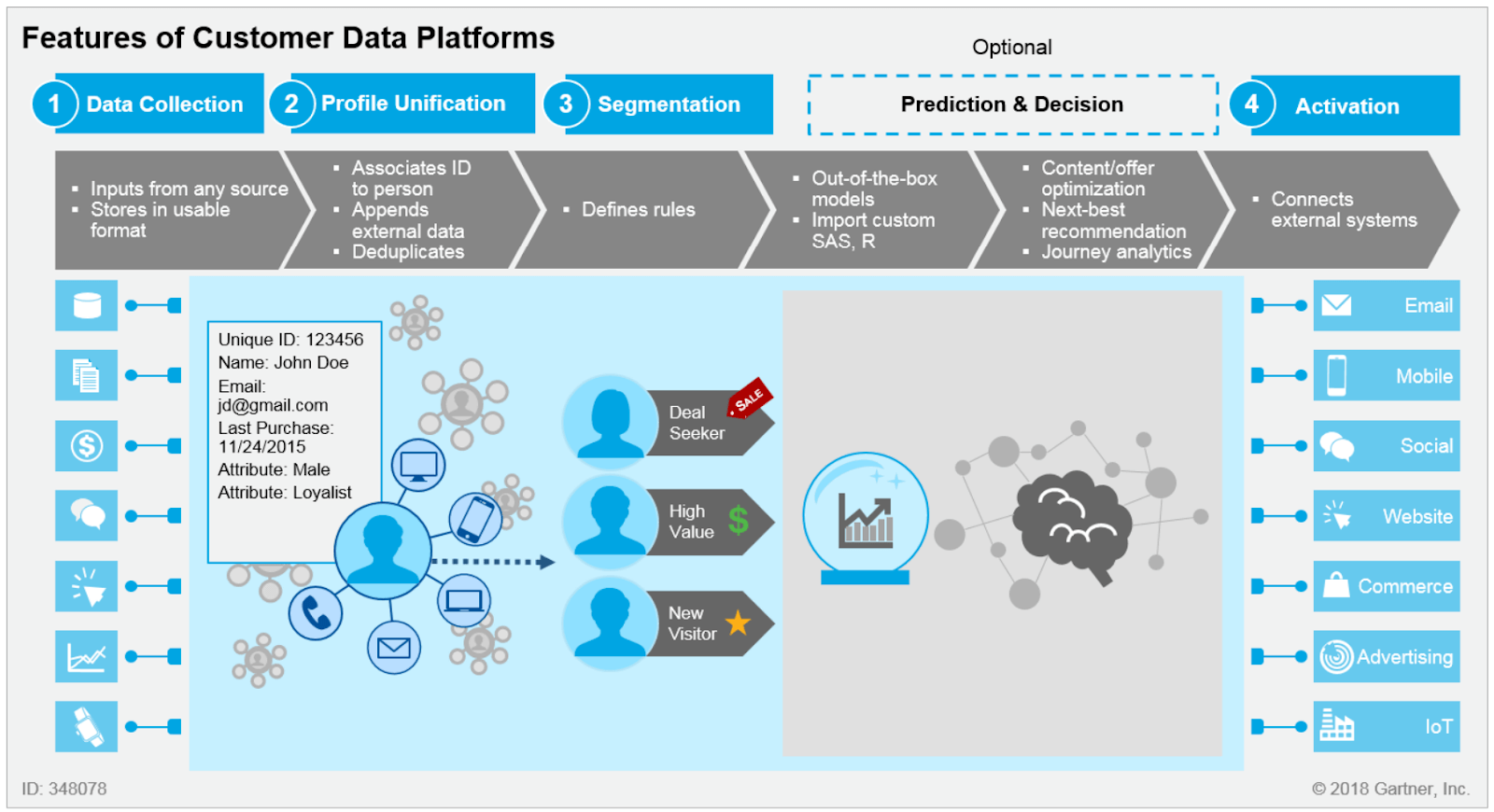
3. Data-Driven Guest Personalization Platforms
Personalization in hospitality is moving beyond “Hello, John.”
Modern hospitality tech uses guest data to personalize:
- Room preferences
- Service recommendations
- Upsell offers
- Post-stay communication
This includes analyzing past stays, behavior patterns, and preferences to tailor experiences automatically.
Why this trend matters in 2026:
- Guests expect personalized service like e-commerce platforms
- Generic experiences reduce loyalty
- Personalization increases ancillary revenue
According to industry research from Deloitte, personalized guest experiences can increase revenue per stay by up to 15–20% when implemented correctly.
Business impact:
Higher lifetime value per guest without aggressive discounting.
So far, we’ve covered trends focused on:
- Automation
- Convenience
- Personalization
In the next part, I’ll cover Hospitality Tech Trends #4–#6, including smart rooms, predictive analytics, and operational automation — areas where technology directly cuts cost and improves service consistency.
Hospitality Tech Trends to Leverage in 2026 (#4–#6)
These next trends focus on cost control, operational consistency, and smarter decision-making. They are especially relevant for operators researching technology trends in hospitality industry with a clear ROI lens.


4. Smart Rooms and IoT-Enabled Hospitality
Smart room technology has moved beyond novelty. In 2026, it is about energy efficiency and experience control, not flashy gadgets.
Smart hospitality rooms now include:
- Automated lighting and climate control
- Occupancy-based energy usage
- Voice or app-controlled settings
- Centralized device management
Why this trend matters in 2026:
- Energy costs keep rising
- Guests expect modern room controls
- Manual monitoring does not scale
Hotels adopting smart room tech often reduce energy consumption significantly while improving comfort consistency.
Business impact:
Lower utility costs + better guest experience.
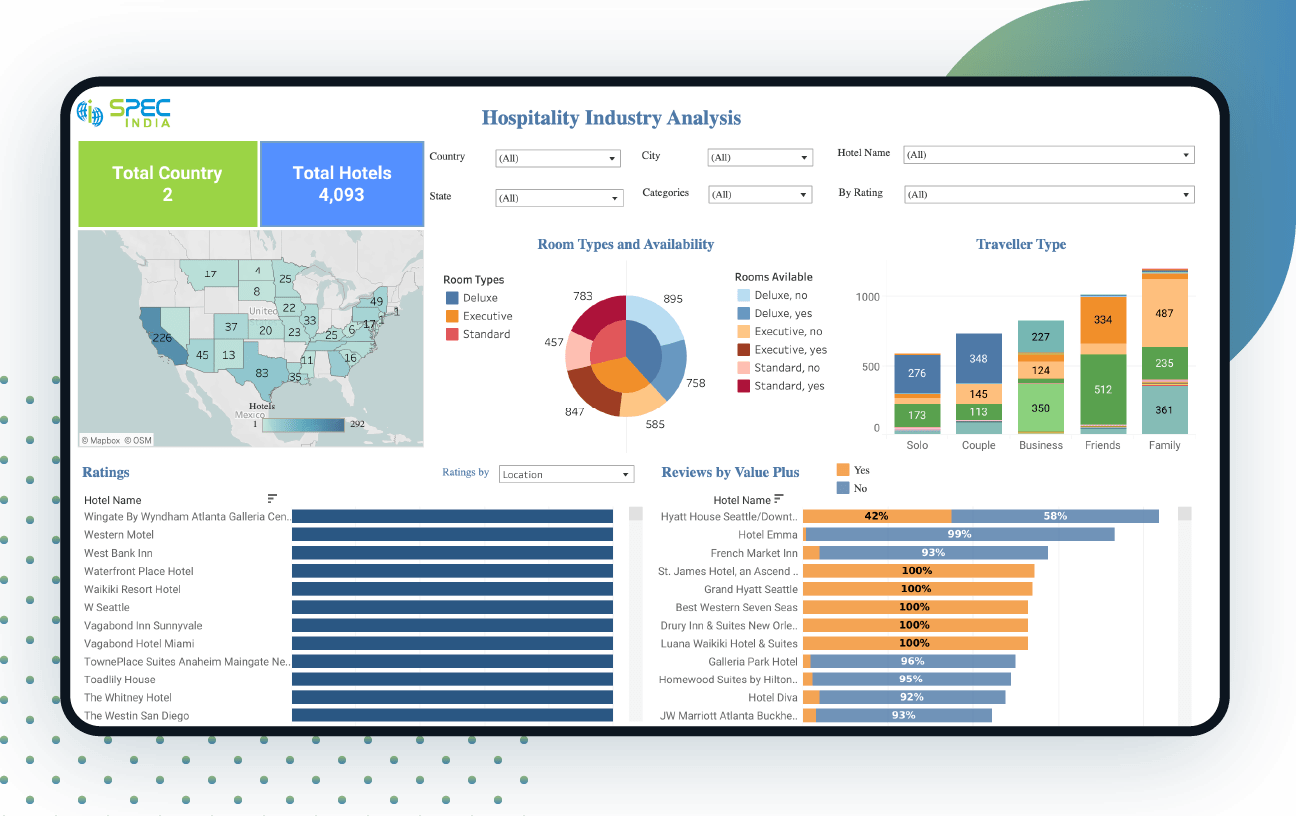
5. Predictive Analytics for Demand, Pricing, and Staffing
Reactive decisions hurt profitability in hospitality. Predictive analytics helps operators act before problems occur.
Modern analytics platforms use historical and real-time data to:
- Forecast demand
- Optimize dynamic pricing
- Predict peak service times
- Improve staff scheduling
Why this trend matters in 2026:
- Demand volatility is high
- Overstaffing and understaffing are costly
- Manual forecasting is inaccurate
This trend shows up strongly in hospitality technology trends discussions because it directly improves margins without hurting guest experience.
Business impact:
Smarter pricing + optimized staffing = higher profitability.
6. Operational Automation Beyond the Front Desk
Hospitality tech is no longer limited to guest-facing tools. Back-office automation is becoming just as important.
Automation now covers:
- Housekeeping task assignment
- Maintenance ticket routing
- Inventory tracking
- Vendor coordination
These systems reduce human error and ensure service consistency across shifts and properties.
Why this trend matters in 2026:
- Labor shortages persist
- Training new staff is expensive
- Manual coordination causes delays
From what I’ve seen, properties that automate operations handle growth better without increasing management overhead.
Business impact:
Lower operational friction + consistent service delivery.
At this point, we’ve covered trends focused on:
- Guest convenience
- Energy and cost efficiency
- Predictive decision-making
- Back-office automation
In the final part, I’ll cover Hospitality Tech Trends #7–#8 and then summarize how operators should prioritize these trends based on property type and budget.
Hospitality Tech Trends to Leverage in 2026 (#7–#8) + How to Prioritize
These last two trends focus on trust, sustainability, and revenue protection—areas that increasingly influence guest decisions and brand reputation. They consistently appear in serious discussions around hospitality technology trends and technology trends in hospitality industry.
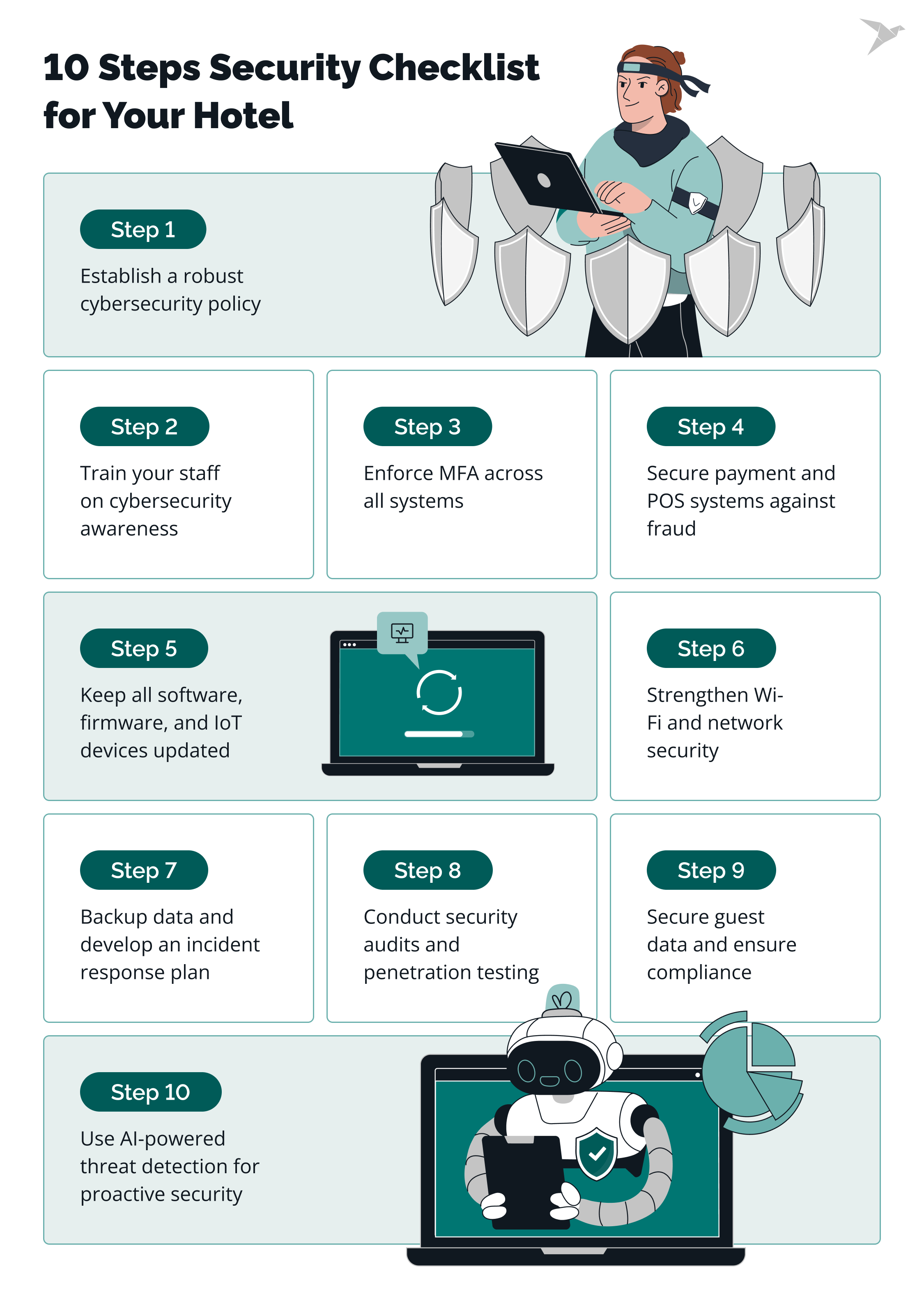

7. Hospitality-Focused Cybersecurity and Guest Data Protection
Hotels handle sensitive guest data every day—IDs, payments, travel details, and preferences. As digital touchpoints increase, so does risk.
Modern hospitality cybersecurity focuses on:
- Secure PMS and booking integrations
- Payment data protection
- Guest Wi-Fi isolation
- Compliance with data privacy regulations
Why this trend matters in 2026:
- Data breaches damage brand trust instantly
- Hospitality is a frequent attack target
- Regulatory penalties are increasing
This is no longer an IT-only concern. Cybersecurity directly impacts guest confidence and repeat bookings.
Business impact:
Reduced breach risk + stronger guest trust.
8. Sustainable and Energy-Aware Hospitality Technology
Sustainability has shifted from marketing language to operational reality. Guests now actively prefer eco-conscious properties.
Hospitality tech supports sustainability through:
- Energy monitoring and optimization
- Water usage tracking
- Smart waste management
- Sustainability reporting for audits and guests
Why this trend matters in 2026:
- Utility costs are rising
- Corporate and long-stay guests demand sustainability
- Regulations increasingly require reporting
Hotels that use sustainability tech often save costs while improving brand perception.
Business impact:
Lower operating expenses + stronger brand positioning.
How to Prioritize Hospitality Technology Trends
Not every property needs every trend at once. The key is sequencing.
If you run a mid-size or budget hotel
Start with:
- Contactless guest journey
- Operational automation
- AI guest communication
These deliver quick ROI with low disruption.
If you manage a premium or chain property
Prioritize:
- Data-driven personalization
- Predictive analytics
- Smart rooms and IoT
These enhance experience consistency across locations.
If you operate at scale or handle corporate guests
Focus on:
- Cybersecurity and data protection
- Sustainability and reporting tech
- Advanced analytics
These protect long-term brand value and contracts.
A common mistake to avoid
Many hospitality brands chase tools instead of outcomes.
Strong operators ask:
“Which part of the guest journey is costing us the most today?”
Then apply technology only where it solves that problem.
Final Thoughts
In 2026, hospitality success is no longer driven by location alone. It’s driven by how intelligently technology supports the guest journey and operations.
The 8 hospitality technology trends covered here are:
- Already in use by real properties
- Supported by mature platforms
- Directly tied to revenue, efficiency, or trust
At Make An App Like, we help hospitality brands and startups translate these trends into real systems—apps, dashboards, integrations, and automation that work on the ground, not just in presentations.
FAQs: Hospitality Technology Trends & Industry Adoption
The main hospitality technology trends in 2026 include AI guest communication, contactless check-in, data-driven personalization, smart rooms, predictive analytics, operational automation, cybersecurity, and sustainability-focused technology.
Technology trends in the hospitality industry help properties meet rising guest expectations, manage staffing challenges, reduce operating costs, and increase repeat bookings through better experiences.
AI-powered systems handle guest queries, provide instant responses, automate service requests, and act as virtual concierges. This improves response time and reduces front-desk pressure.
Contactless hospitality technology includes mobile check-in, digital room keys, in-app payments, and mobile service requests. It improves convenience and reduces waiting times for guests.

 Tesla’s Rebound From Early 2024 Lows