








Crypto payments have moved far beyond the early “test and see” stage. Today, they are part of real business conversations in SaaS, eCommerce, gaming, creator platforms, marketplaces, cross-border services, and even B2B invoicing. That shift is happening because crypto is no longer being evaluated only as an asset. It is now being evaluated as a payment rail. Chainalysis said in its 2025 Global Adoption Index that India and the United States were leading crypto adoption, which shows that usage is not limited to a small niche anymore. Triple-A’s ownership data also shows very large country-level user bases, including tens of millions of crypto owners in India, China, and the United States.
From my side, the bigger reason this topic matters is simple. Businesses do not struggle because crypto payments are impossible. They struggle because they choose the wrong payment model. That mistake creates accounting issues, settlement delays, treasury risk, customer support problems, and sometimes even banking friction later. A founder may think they are comparing “four crypto gateways,” but in reality they are comparing four very different operating models.
That is exactly why this comparison needs to be handled carefully. Coinbase Commerce, BitPay, Coinbase, and NOWPayments are not direct substitutes in the way many blog posts make them look. Some are stronger for self-custody. Some are better for fiat settlement. Some are better for stablecoin-led business flows. Some are better for broad coin support and flexible integrations. If a company chooses based only on brand name, it can end up with a payment stack that looks impressive in a pitch deck but performs badly in day-to-day operations.
The Market Has Changed, and Old Comparisons Are Already Outdated
One important reason I am treating this topic seriously is that the market itself has changed recently. Coinbase has announced that Coinbase Commerce is being unified with Coinbase Business, with transition requirements tied to March 31, 2026. That single update changes how businesses should think about “Coinbase Commerce vs Coinbase,” because the line between them is no longer as clean as it was before. Coinbase Business is now positioned around custody, fiat offramps, payouts, accounting integrations, and business-focused payment tooling, while the old Commerce setup is being folded into that broader business stack. So any article that compares these tools without acknowledging this transition is already incomplete.
This matters in real terms. If a merchant starts integration work today, they should not evaluate Coinbase Commerce as if it were a fully separate long-term product with a stable standalone roadmap. They need to evaluate the direction of Coinbase Business as well. That affects API planning, checkout design, operations, finance workflows, and even the kind of customers they can serve smoothly. I have seen many teams underestimate this type of platform transition and then pay for it later in redevelopment costs.
NOWPayments also deserves a more serious look than it usually gets. Many businesses dismiss it too quickly because it is not as mainstream a brand as Coinbase or BitPay. But its product position is clearly different. NOWPayments promotes support for a very large number of cryptocurrencies, offers payment tools such as APIs, invoices, subscriptions, payment widgets, point-of-sale, and white-label options, and supports both crypto acceptance and certain fiat-conversion-related flows through partners. That makes it relevant for businesses that want flexibility more than institutional familiarity.
BitPay, on the other hand, remains important because it is built around a more processor-style merchant experience. Its merchant model and legal language make it clear that settlement can be handled in crypto or fiat, with value being frozen in U.S. dollars or euros for settlement calculation in certain cases. That sounds like a technical detail, but from a business point of view it is very important. It means BitPay is not just helping you accept crypto. It is helping you reduce volatility exposure in a way many merchants care about deeply.
Most Founders Compare the Wrong Things
When founders compare crypto payment providers, they usually start with the easiest visible metrics. They look at transaction fees, supported coins, plugin availability, or dashboard quality. Those factors matter, but they are not the first things I would use to make the decision. I would start with five deeper business questions.
First, who controls the funds? That determines whether the business is using a self-custody flow, a processor-led flow, or an exchange-linked flow. Coinbase’s own material explains the self-hosted wallet model clearly: in self-custody, users control their own private keys instead of relying on an intermediary. That sounds empowering, and it often is, but it also shifts responsibility. Businesses need to be honest about whether they actually want that responsibility.
Second, what is the settlement objective? Some businesses want to hold crypto. Some want stablecoins only. Some want local-currency predictability. Some want hybrid treasury management. That one decision can immediately eliminate certain options. A merchant that needs operationally clean fiat settlement may think Coinbase Commerce looks modern, but BitPay could fit the business model better. A crypto-native project that wants to stay on-chain may prefer Coinbase Commerce or Coinbase Business. A global high-coin-coverage merchant may prefer NOWPayments because coin breadth matters more than institutional branding.
Third, which networks and assets actually matter to your customers? This question is badly ignored. Coinbase’s current business and commerce-related materials show strong alignment around networks such as Ethereum, Base, Polygon, and broader EVM support, while Coinbase Wallet materials also show support for Solana and additional network compatibility in the wallet environment. That is useful, but it still means businesses must match platform strength to customer payment behavior. If your users mostly want to pay in long-tail altcoins, a platform built around a narrower high-trust stack may not feel as convenient as a broader multi-coin gateway.
Fourth, how important is platform trust in banking, finance, and compliance conversations? In many boardrooms, Coinbase and BitPay will be easier names to defend than a lesser-known gateway. That does not automatically make them better products. It just means internal approvals, treasury discussions, or risk reviews may move faster. This is a real factor for enterprises and funded startups. A founder should not pretend otherwise. This point is partly an inference from product positioning and brand role in the market, but it is a practical one. Coinbase Business is clearly framed for business operations and support, and BitPay is clearly framed for merchant settlement and payment acceptance.
Fifth, how much internal finance maturity does the business already have? A crypto-native company with internal treasury discipline can benefit from flexibility. A traditional merchant with weak crypto accounting processes usually needs simplification, not freedom. I have seen teams choose the flexible option and then create unnecessary reconciliation pain for themselves. The platform choice should reduce operational complexity, not increase it.
Why the “Best Platform” Depends on Business Type
I do not believe there is one universal winner in this comparison. That is usually where generic articles go wrong. They want one simple conclusion because that makes the content easier to consume. But real businesses are not that simple.
A subscription SaaS company selling globally may care most about stablecoins, recurring billing, and easy payout visibility. An eCommerce merchant may care most about protecting margins from volatility and getting predictable settlement. A Web3-native platform may care more about on-chain payments, self-custody, and wallet-native customer experience. A marketplace may care about payout architecture, treasury flows, and accounting exports more than checkout design. Those are very different priorities, so the right answer changes with the business model.
That is why I think this article is important for founders, CFOs, product owners, and payment teams. This is not just a tool comparison. It is an operating model comparison. If you choose correctly, crypto payments can open new geographies, improve cross-border convenience, and attract users who already prefer digital assets. If you choose badly, you may add overhead without adding meaningful revenue.
How Each Platform Actually Works (Not Marketing, Real Flow)
Before comparing features or fees, I always start with one thing:
How money actually moves from customer → platform → your business
Because this is where most founders get surprised later.
Let’s break each platform from an operational point of view.
1. Coinbase Commerce (Non-Custodial, Direct Crypto Flow)
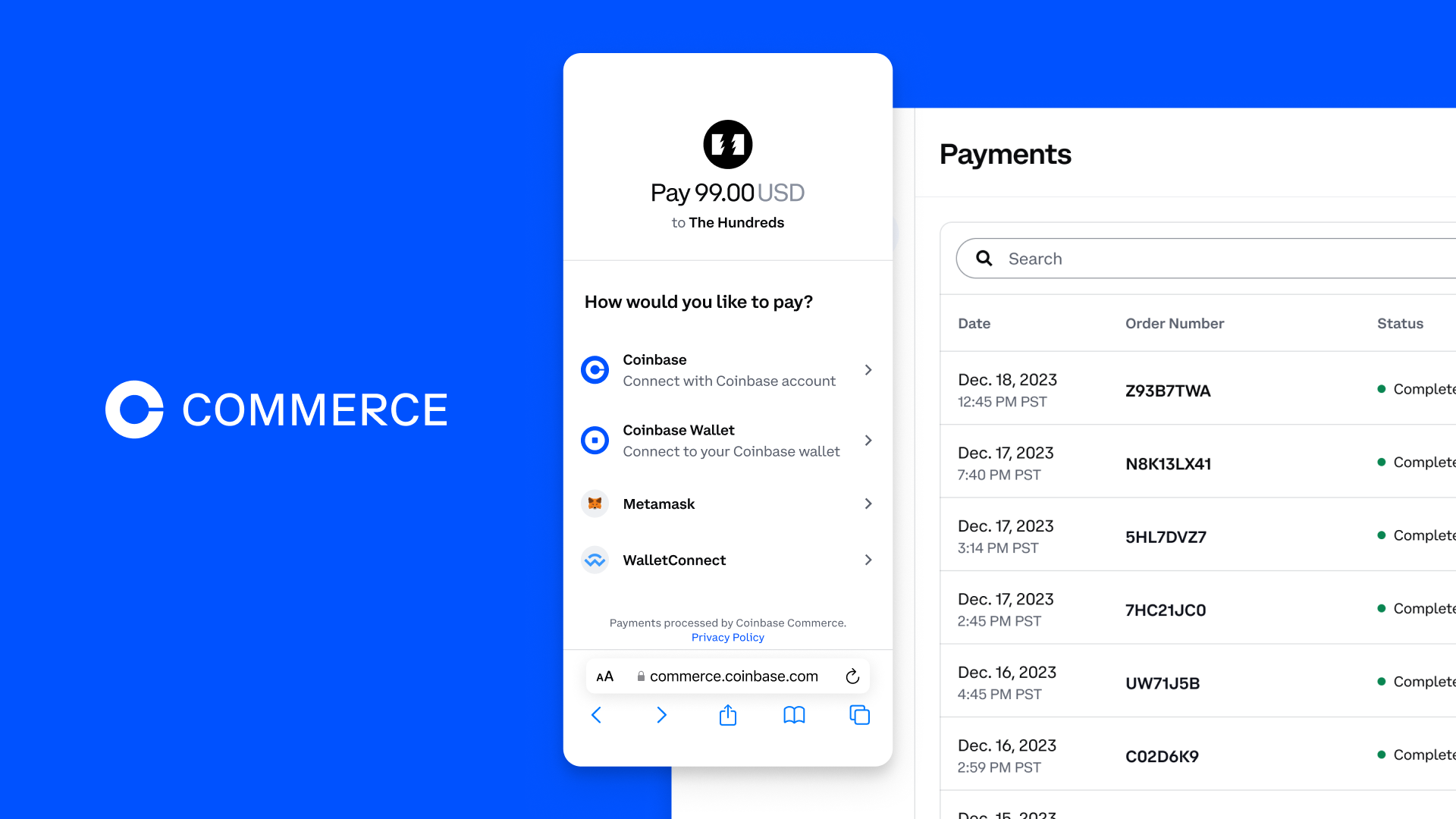
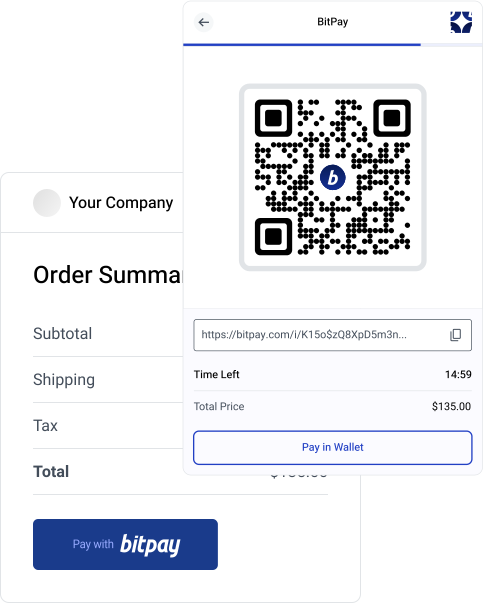
From my experience, Coinbase Commerce is often misunderstood.
It is not a “payment processor” in the traditional sense.
It works more like this:
- Customer selects crypto at checkout
- A wallet address or QR is generated
- Customer sends crypto directly
- Funds go to your wallet (self-custody)
No intermediary holds your funds.
What This Means in Reality
Pros:
- Full control of funds
- No dependency on platform settlement
- No forced conversion
Cons:
- You handle volatility
- You manage wallets and security
- Accounting becomes more complex
This model is best when:
- You are crypto-native
- You want to hold crypto (not convert)
- You already have treasury processes
I have seen Web3 startups prefer this because they already operate on-chain.
But for traditional businesses, this can become messy quickly.
2. BitPay (Processor Model, Fiat-Friendly)
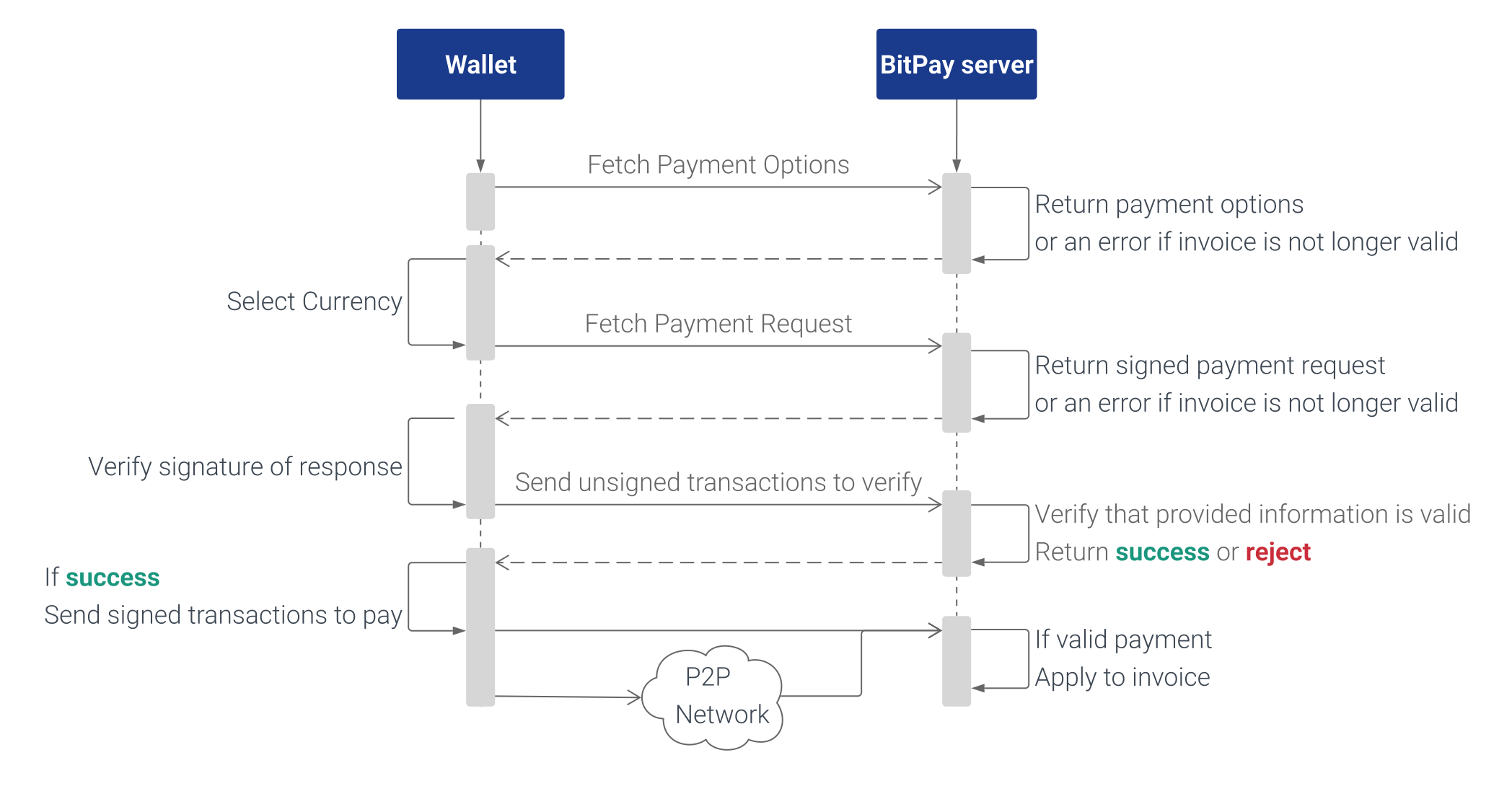

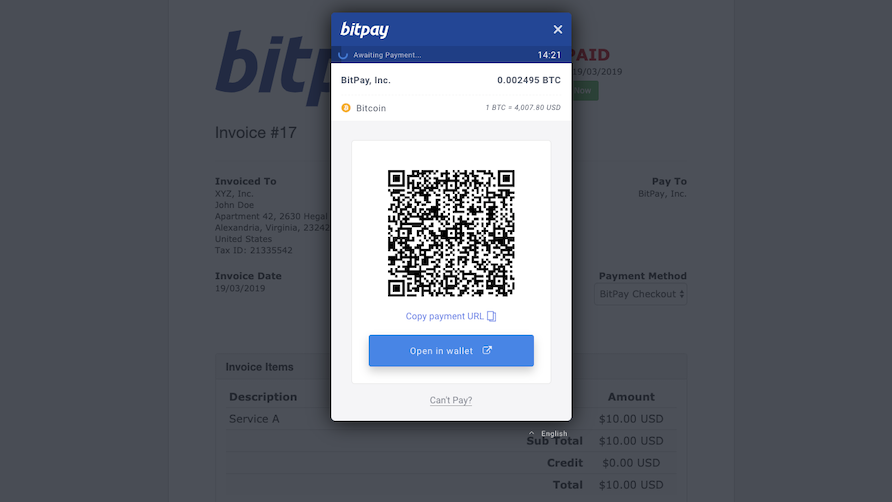
BitPay works very differently.
It behaves more like a traditional payment gateway.
Flow looks like this:
- Customer pays in crypto
- BitPay receives the payment
- Value is locked (USD/EUR equivalent)
- Settlement happens to your bank or wallet
You don’t deal directly with crypto volatility.
What This Means in Reality
Pros:
- Stable revenue (fiat settlement possible)
- Easier accounting
- Less treasury risk
Cons:
- Less control over funds
- Dependency on processor
- Slightly higher operational structure
This model is best when:
- You run eCommerce or services
- You want predictable cash flow
- You don’t want crypto exposure
Many traditional businesses prefer BitPay because it behaves like Stripe (but for crypto).
3. Coinbase (Centralized Business Model)

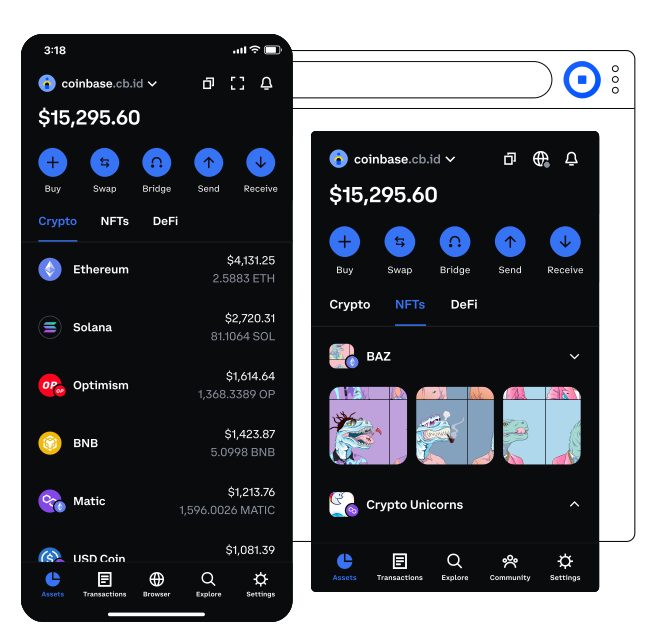

This is where confusion increases.
Coinbase (main platform) is not just a gateway.
It is a full ecosystem:
- Custody
- Exchange
- Conversion
- Payouts
- Business tools
And now with Coinbase Business, it is becoming more structured for merchants.
How It Works
- Customer pays via supported flow
- Funds can be stored in Coinbase
- You can convert instantly
- You can withdraw to bank
It combines custody + conversion + operations
What This Means in Reality
Pros:
- Strong compliance and trust
- Easy crypto-to-fiat conversion
- Clean dashboard and reporting
Cons:
- Custodial (you don’t fully control keys)
- Platform dependency
- Possible regional limitations
This model is best when:
- You want a hybrid approach
- You want both crypto + fiat flexibility
- You prefer a regulated ecosystem
I usually recommend this to startups entering crypto for the first time.
4. NOWPayments (Flexible, Multi-Coin Processor)


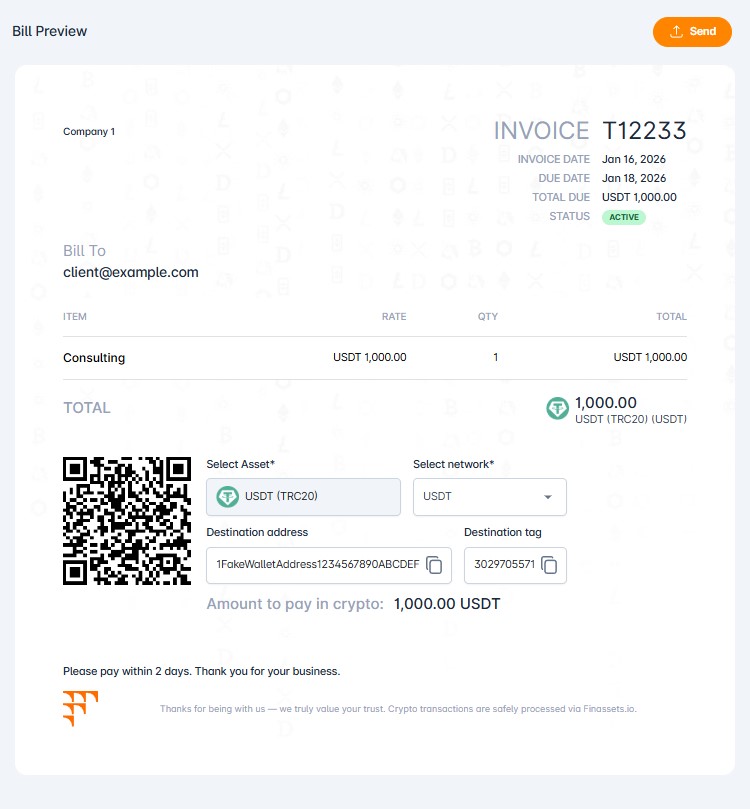
NOWPayments is built differently.
It focuses on flexibility over structure.
Flow looks like this:
- Customer pays in any supported coin
- Payment is processed via gateway
- Settlement can be crypto or converted (via partners)
It acts as a bridge between multiple crypto ecosystems
What This Means in Reality
Pros:
- Supports a large number of coins
- Easy API integration
- Works well for global audiences
Cons:
- Requires proper configuration
- Less “institutional trust” vs Coinbase/BitPay
- Stability depends on setup
This model is best when:
- Your users prefer different altcoins
- You need flexibility
- You are building a custom platform
I have seen gaming and global SaaS products prefer this.
Key Insight Most Articles Miss
Let me simplify this in one line:
- Coinbase Commerce → Control
- BitPay → Stability
- Coinbase → Balance
- NOWPayments → Flexibility
But the real decision is not about features.
It is about which model matches your business operations
Fees, Settlement, Volatility & Hidden Costs (Where Businesses Actually Lose Money)
This is the part most founders ignore in the beginning… and regret later.
On paper, all platforms look “low cost.”
But in real business scenarios, your actual cost is not just the fee %.
It includes:
- Volatility loss
- Conversion spread
- Settlement delay
- Failed payments
- Accounting overhead
From what I have seen, businesses don’t lose money on “fees.”
They lose money on how the system behaves after the payment is done.
1. Transaction Fees (Surface Level vs Reality)
Let’s first look at what platforms claim.
| Platform | Typical Fee Structure |
|---|---|
| Coinbase Commerce | ~1% (can vary) |
| BitPay | ~1% processing fee |
| Coinbase | Trading + conversion fees |
| NOWPayments | ~0.5% to 1% |
Looks simple, right?
But here’s the reality I’ve seen:
Fees are not the real cost driver.
Where the real cost hides:
- Crypto price fluctuation between payment & settlement
- Spread during conversion
- Network (gas) fees
- Failed or delayed confirmations
2. Volatility Risk (Biggest Hidden Loss)
This is the most underestimated factor.
Let’s say:
- Customer pays you $1,000 in crypto
- Market drops 5% before you convert
You just lost $50 instantly
This happens more often than people expect.
Platform Impact:
- Coinbase Commerce:
You hold crypto → 100% volatility risk - BitPay:
Locks value → Almost zero volatility risk - Coinbase:
You can convert instantly → Controlled risk - NOWPayments:
Depends on setup → Variable risk
This single factor can impact your margins more than any fee.
From my experience, eCommerce businesses cannot handle volatility well.
But crypto-native platforms are fine with it.
3. Settlement Speed (Cash Flow Matters)
Now let’s talk about when you actually receive money.
Because revenue ≠ usable cash.
Platform Behavior:
- Coinbase Commerce:
Instant (in crypto wallet)
But requires manual conversion - BitPay:
Settlement in 1–2 days (bank/crypto)
More predictable - Coinbase:
Fast internal transfers
Depends on withdrawal method - NOWPayments:
Depends on confirmations + setup
Why This Matters
If you are running:
- Ads
- Inventory
- Payroll
You need predictable cash flow
I have seen businesses accept crypto… but struggle to use it.
Because:
- Funds stuck in wallets
- Delays in conversion
- Banking friction
4. Conversion Costs (The Silent Profit Killer)
Most platforms don’t highlight this clearly.
When you convert crypto → fiat, you pay:
- Trading fee
- Spread (hidden margin)
Even a 1–2% spread can impact profitability.
Example:
- Revenue: $10,000
- Spread: 1.5%
- Loss: $150
Now scale this monthly…
That becomes serious money.
5. Failed Payments & User Experience Loss
This is something many blogs don’t talk about.
Crypto payments fail more than traditional payments.
Reasons:
- Wrong network
- Incorrect gas fee
- Expired invoice
- Slow confirmations
Platform Impact:
- Coinbase Commerce:
User must handle wallet → higher drop-offs - BitPay:
Guided flow → better success rate - Coinbase:
Familiar UX → moderate success - NOWPayments:
Depends on integration quality
Poor UX = lost conversions = hidden cost
6. Accounting & Compliance Cost
This is where things get serious.
Handling crypto payments means:
- Tracking transactions
- Managing tax reporting
- Handling gains/losses
- Reconciliation
Platform Impact:
- Coinbase Commerce:
High complexity - BitPay:
Simplified reporting - Coinbase:
Strong reporting tools - NOWPayments:
Depends on setup
Final Insight (Most Important)
If I simplify everything I have seen:
Businesses don’t fail because of fees
They fail because of bad payment structure
Real Cost Ranking (Based on Experience)
| Factor | Most Risky | Most Safe |
|---|---|---|
| Volatility | Coinbase Commerce | BitPay |
| Cash Flow Stability | NOWPayments | BitPay |
| Conversion Cost | Coinbase | BitPay |
| Operational Complexity | Coinbase Commerce | BitPay |
What You Should Take From This
If your priority is:
- Profit stability → BitPay wins
- Full crypto control → Coinbase Commerce wins
- Balanced approach → Coinbase wins
- Flexibility & scale → NOWPayments wins
Which Platform Fits Your Business Model (Real Use Cases, Not Theory)
This is where most comparisons fail.
They explain platforms… but don’t tell you where to actually use them.
From what I have seen working with different business models, the right choice becomes very clear once you map the platform to your revenue structure, customer behavior, and financial needs.
Let’s break this properly.
1. eCommerce Businesses (DTC, Shopify, Global Stores)


What eCommerce Actually Needs
- Stable pricing
- Predictable margins
- Fast settlement
- Low payment failure rate
Crypto is just an additional payment option, not the core system.
Best Fit: BitPay
From my experience, BitPay works best here because:
- Converts crypto → fiat
- Protects against volatility
- Works like a traditional payment gateway
You don’t need to think like a crypto company.
Where Others Struggle
- Coinbase Commerce:
You receive crypto → price fluctuates → margin risk - NOWPayments:
Too flexible → can create inconsistency - Coinbase:
Good, but slightly heavier than needed
My Take
If you sell physical or digital products, do not take volatility risk
2. SaaS & Subscription-Based Businesses


What SaaS Actually Needs
- Recurring payments
- Global accessibility
- Low friction checkout
- Stable revenue
Your goal is consistent monthly cash flow
Best Fit: Coinbase (Business) or NOWPayments
Coinbase:
- Strong reporting
- Easy conversion
- Good for compliance
NOWPayments:
- Supports subscriptions
- Multiple coins
- Good API flexibility
Where Others Struggle
- Coinbase Commerce:
No strong subscription handling - BitPay:
Less flexible for advanced SaaS flows
My Take
If you want clean operations → Coinbase
If you want flexibility → NOWPayments
3. Marketplaces (Multi-Vendor Platforms)
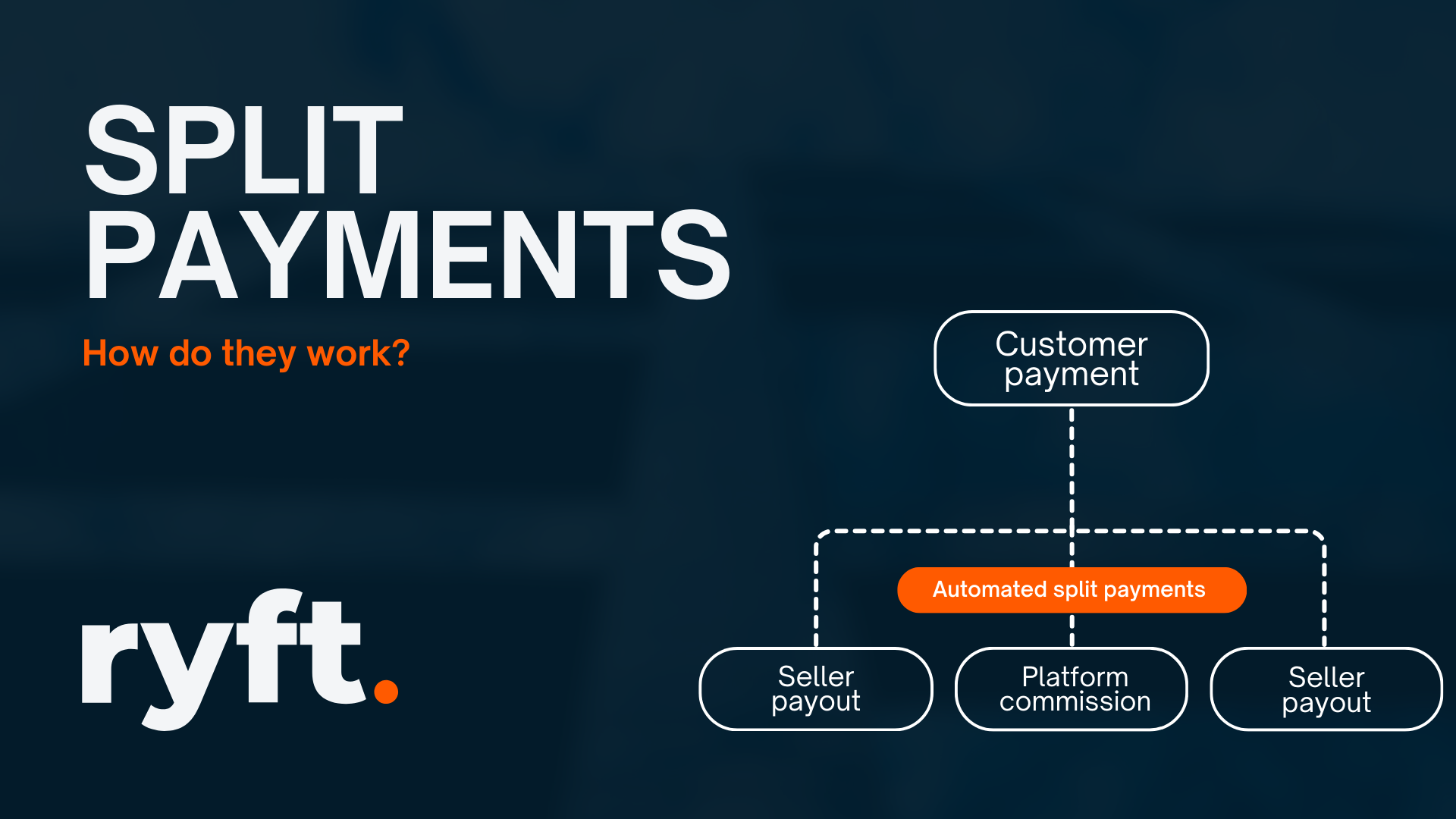

What Marketplaces Actually Need
- Split payments
- Vendor payouts
- Escrow handling
- Accounting clarity
This is the most complex model
Best Fit: Coinbase (Business)
Because:
- Custody + payouts
- Better control over funds
- Easier compliance
Where Others Struggle
- Coinbase Commerce:
No payout system - BitPay:
Limited flexibility - NOWPayments:
Needs heavy customization
My Take
Marketplaces need structure, not just payments
4. Web3, Crypto-Native, and Token-Based Platforms


What Web3 Businesses Need
- On-chain payments
- Wallet integrations
- Token compatibility
- Full control
Crypto is your core product, not just a payment option
Best Fit: Coinbase Commerce or NOWPayments
Coinbase Commerce:
- Direct wallet payments
- No intermediary
- Full control
NOWPayments:
- Supports multiple tokens
- Flexible integrations
Where Others Struggle
- BitPay:
Too centralized - Coinbase:
Less flexible for on-chain native flows
My Take
If you are building in Web3, you should behave like Web3
5. Global Services & Freelance Businesses



What Service Businesses Need
- Cross-border payments
- Low fees
- Easy withdrawal
- Minimal friction
Best Fit: NOWPayments or Coinbase
- Accept multiple coins
- Convert when needed
- Serve global clients
Where Others Struggle
- BitPay:
Not as flexible - Coinbase Commerce:
Too manual
My Take
Flexibility matters more than structure here
Final Business Mapping (Most Practical View)
| Business Type | Best Platform | Why |
|---|---|---|
| eCommerce | BitPay | Stability + fiat settlement |
| SaaS | Coinbase / NOWPayments | Recurring + flexibility |
| Marketplace | Coinbase | Payout control |
| Web3 | Coinbase Commerce / NOWPayments | On-chain + flexibility |
| Freelancers | NOWPayments / Coinbase | Global + simple |
The Real Insight (Founder-Level Thinking)
Here’s what I’ve learned after seeing multiple implementations:
There is no “best platform”
There is only “best fit for your business model”
Final Decision Framework (What I Recommend After Real Implementations)
Now let’s stop comparing… and start deciding.
Because at the end of the day, you don’t need theory.
You need a clear decision you can act on
I’ll break this in a way I actually use when advising startups and businesses.
Step 1: Start With One Question (Not Features)
Before choosing any platform, ask this:
“Do I want to hold crypto or avoid crypto risk?”
This single question will eliminate 50% confusion.
If your answer is:
- “I want stability” → Go with BitPay
- “I’m okay holding crypto” → Go with Coinbase Commerce
- “I want both options” → Go with Coinbase
- “I need flexibility” → Go with NOWPayments
Step 2: Match Platform With Revenue Model
This is where most people go wrong.
Use this practical mapping:
| Your Situation | What I Recommend | Why |
|---|---|---|
| Running eCommerce store | BitPay | Protect margins |
| SaaS with global users | Coinbase | Clean + scalable |
| Crypto/Web3 startup | Coinbase Commerce | Full control |
| Marketplace | Coinbase | Payout + custody |
| Global freelance/service | NOWPayments | Multi-coin flexibility |
This is not theory. This is based on actual business behavior.
Step 3: Think About Your Finance Team (Not Just Tech Team)
A lot of founders think like this:
“We can integrate API, so it’s fine.”
But real problem comes later.
Your finance team will deal with:
- Reconciliation
- Tax reporting
- Conversion tracking
- Profit calculation
Platform Impact:
- Coinbase Commerce:
Finance complexity HIGH - BitPay:
Finance complexity LOW - Coinbase:
Balanced - NOWPayments:
Depends on setup
My Honest Advice
If your finance team is not crypto-ready,
don’t choose complex setups.
Step 4: Understand Banking & Compliance Reality
This is something many people ignore.
Not all banks are crypto-friendly.
If your flow looks like:
Crypto → Wallet → Convert → Bank
You may face:
- Delays
- Questions
- Restrictions
Safe Options:
- BitPay → Direct settlement → Cleaner for banks
- Coinbase → Regulated ecosystem → Easier compliance
Step 5: Avoid These Common Mistakes
From my experience, these are the biggest mistakes:
1. Choosing based on brand name
Just because Coinbase is big doesn’t mean it fits your model.
2. Ignoring volatility
I have seen businesses lose 3–8% monthly without realizing.
3. Over-complicating setup
Flexible tools like NOWPayments can backfire without proper setup.
4. Not thinking about scale
What works at 100 transactions may break at 10,000.
5. Ignoring customer experience
Crypto checkout is still complex for many users.
Simpler flow = higher conversion
My Practical Recommendation (If You Ask Me Directly)
If you asked me without context, I would say:
- For most businesses → BitPay is safest
- For modern startups → Coinbase is best balance
- For crypto-native → Coinbase Commerce
- For global flexible platforms → NOWPayments
One Insight That Changed My Perspective
I’ll share something I’ve learned after working on multiple implementations:
Crypto payments are not about accepting crypto
They are about managing financial behavior
If your system:
- Controls risk
- Maintains cash flow
- Keeps operations simple
Then you are doing it right
Otherwise, you are just adding complexity.
1. Which is better: Coinbase Commerce or BitPay?
Coinbase Commerce is better for businesses that want full control over crypto funds, while BitPay is better for businesses that want stable fiat settlement and lower volatility risk. The right choice depends on whether you want to hold crypto or avoid price fluctuations.
2. Is BitPay safer than Coinbase Commerce?
BitPay is considered safer for traditional businesses because it converts crypto into fiat and reduces volatility exposure. Coinbase Commerce gives full control but also shifts responsibility for security, price risk, and fund management to the business.
3. What is the difference between Coinbase and Coinbase Commerce?
Coinbase is a centralized platform offering custody, conversion, and business tools, while Coinbase Commerce is a non-custodial payment solution where businesses receive crypto directly in their own wallets without intermediaries.
4. Is NOWPayments better than Coinbase?
NOWPayments is better for flexibility and multi-coin support, while Coinbase is better for compliance, reporting, and ease of conversion. Businesses targeting global users often prefer NOWPayments, while structured businesses prefer Coinbase.
5. Which crypto payment gateway has the lowest fees?
NOWPayments usually offers the lowest base fees, starting around 0.5%, while others like Coinbase Commerce and BitPay charge around 1%. However, real cost depends on volatility, conversion fees, and settlement structure.
6. Can I convert crypto to fiat automatically with these platforms?
Yes, BitPay and Coinbase allow automatic conversion to fiat currency. Coinbase Commerce does not provide automatic conversion, while NOWPayments offers conversion options depending on setup and partners.
7. Which platform is best for eCommerce crypto payments?
BitPay is generally the best choice for eCommerce because it offers stable pricing, fiat settlement, and better payment success rates. It works similarly to traditional payment gateways, making it easier to manage operations.
8. Which crypto payment platform is best for SaaS businesses?
Coinbase and NOWPayments are better suited for SaaS businesses. Coinbase provides strong reporting and compliance, while NOWPayments offers flexible subscription support and multiple coin options.
9. Is Coinbase Commerce good for beginners?
Coinbase Commerce is not ideal for beginners because it requires managing wallets, handling volatility, and dealing with more complex accounting. It is better suited for crypto-native businesses.
10. What is the biggest risk in crypto payments?
The biggest risk is volatility. If crypto value drops before conversion, businesses can lose revenue instantly. This is why many businesses prefer platforms like BitPay that lock the value at the time of payment.

 Websites Similar to Ourdream.ai: What Founders and Users Should Know Right Now