








Advertisements often use propaganda techniques to shape opinions and influence buying decisions. From bandwagon appeals to celebrity endorsements, these strategies can be powerful tools for marketers—and learning to spot them is essential for students and consumers. In this post, Make An App Like explains the 5 types of propaganda in advertising, with real-world examples like Coca-Cola, Pepsi, and Dove.
In modern marketing, the line between persuasion and propaganda often blurs. Propaganda generally means “information, especially of a biased or misleading nature, used to promote a political cause or point of view”. When we talk about an advertisement with propaganda techniques, we refer to ads that deliberately use emotional or manipulative appeals—much like propaganda—to influence audiences. Advertisers borrow these classic persuasion tricks to make products or brands more persuasive. Understanding these methods is essential for both marketers (who want to use them ethically and effectively) and students (learning about media literacy). In this article, we’ll explore five common propaganda techniques used in advertising—often called the 5 types of propaganda in ads—and show real-world examples and case studies for each.
Propaganda techniques in advertising often aim to evoke emotion, create in-groups (“everyone is doing this”) or simply bypass logical scrutiny. Recognizing these tactics helps consumers think critically and helps marketers craft stronger campaigns. Below we define each technique, explain how advertisers use it, and highlight famous examples.
What Is Propaganda in Advertising?
Propaganda is any communication designed to sway opinions or actions, usually by appealing to emotions and values rather than facts. In advertising, these techniques show up in benign or even helpful ways (for example, showing happiness to associate with a product) and sometimes in deceptive ways (omitting facts or using vague slogans). Unlike transparent marketing (which lists features and benefits), propaganda-style ads emphasize slogans, symbols, celebrities, and bandwagon appeals.
For instance, Cambridge Dictionary defines propaganda as “ideas or statements that may be false or exaggerated and that are used in order to gain support for a political leader, party, etc.”. In a commercial context, “advertisements with propaganda techniques” rely on similar tactics to build support for a brand. They might downplay counterarguments or use celebrity authority (even if unrelated) to sell a product. Ethical marketing uses facts; propaganda in marketing plays on emotions and biases.
It’s worth noting that all persuasive ads use some propaganda elements to an extent. The difference is intent and balance. For example, a car ad showing a family happily driving through scenic mountains plays on emotions (happiness, freedom) – an emotional appeal that could be seen as a propaganda technique. If the ad also lists safety features and fuel efficiency, it balances emotion with facts. But an ad that only shows the flag and says “Buy Brand X – it’s American!” is relying almost purely on patriotic transfer.
Below are five of the most common propaganda techniques found in advertising campaigns today. Each section includes a definition, an explanation of how marketers use it, and a real-world example.
1. Bandwagon Technique
Definition: The bandwagon technique persuades people by suggesting “everyone is doing it.” It plays on the human desire to belong and not miss out on what others have. In ads, this is often seen by implying that a product is overwhelmingly popular or trending. The message is: “Join the crowd – don’t be left out.”
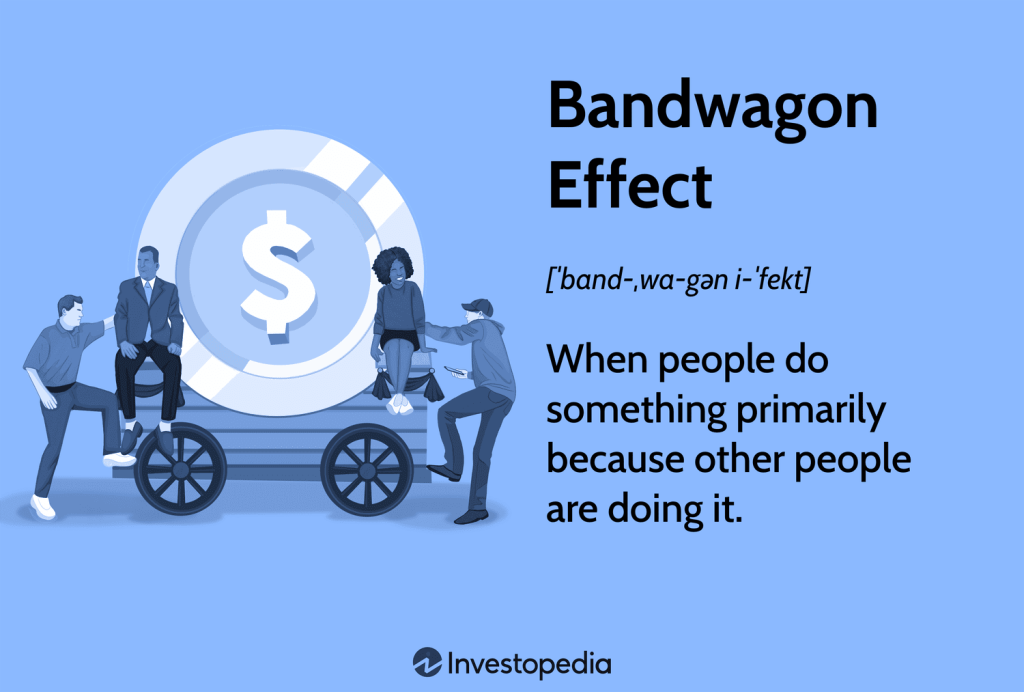
How Ads Use Bandwagon: Marketers highlight widespread adoption or popularity. Phrases like “America’s favorite…,” “#1 choice,” or showing crowds of people enjoying the product all indicate a bandwagon appeal. This technique leverages the psychological effect that if many people endorse something, it must be good. Modern examples include social media campaigns using phrases like “Join X million users” or viral challenges (“See why millions are trying this!”). It taps into fear of missing out (FOMO).
Example: Consider Coca-Cola’s classic 1971 “Hilltop” ad (“I’d Like to Buy the World a Coke”). It showed dozens of young people from diverse countries on a hilltop, singing “I’d like to teach the world to sing,” suggesting a global consensus around Coke. This commercial used bandwagon appeal by portraying Coke drinkers as part of a joyful worldwide group (i.e. everyone loves Coke). Studies of advertising note that ads showing large groups (like concert crowds using a new smartphone) effectively use bandwagon messaging.
- Case Study: Coca-Cola’s “Hilltop” (1971) – This famous ad depicted young people from around the world singing together while holding Coke bottles. By showing a crowd united in song over Coca-Cola, the ad invited viewers to join the party. Its message: Everyone is drinking Coke – be part of the global community. Advertising analysts have identified it as a quintessential bandwagon strategy.
2. Testimonial (Endorsement) Technique
Definition: A testimonial (or endorsement) uses the authority of a celebrity, expert, or satisfied user to sell a product. The idea is that if a well-known or authoritative person likes something, you will too. Unlike bandwagon (which relies on “everyone”), testimonial says “this person, whom you respect or admire, uses it.”
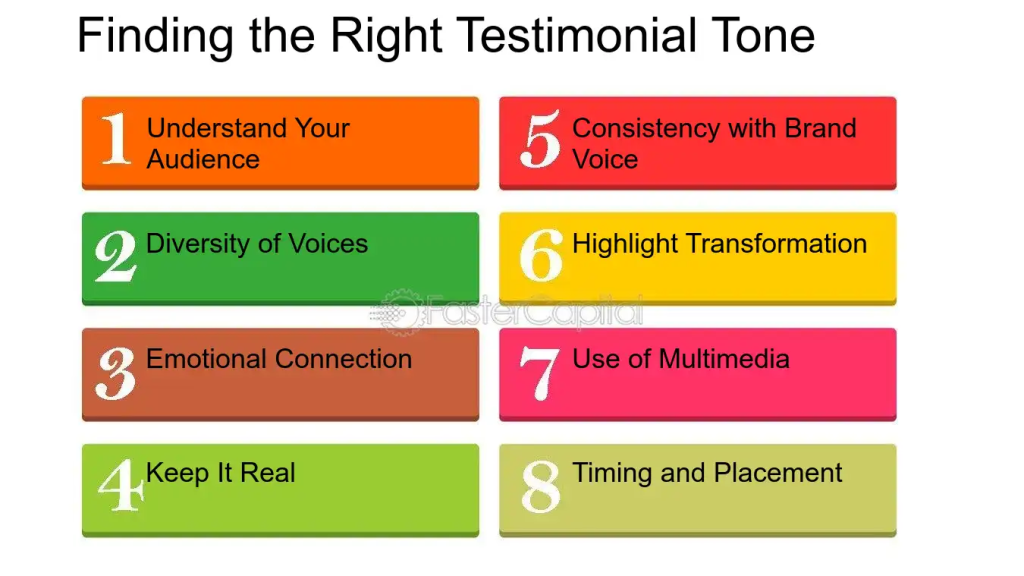
How Ads Use Testimonial: Ads featuring movie stars, athletes, or other personalities are everywhere: sports drinks with famous athletes, luxury brands with movie stars, tech products with industry gurus. Even “real customer” testimonials (ordinary people claiming success) fall under this technique. The celebrity’s credibility or attractiveness transfers to the product. For example, a consumer might think, “If Beyoncé drinks Pepsi, maybe I should too,” or “If this product was good enough for her, it’s good.” Research in consumer psychology confirms that star endorsements significantly affect purchase intention due to associative persuasion.
Example: In 2012, Pepsi launched a global ad campaign starring Beyoncé, using the tagline “Live For Now.” This ad was pure testimonial: it didn’t focus on Pepsi’s ingredients but on Beyoncé’s energetic image. The implicit message was, “If you want to live like Beyoncé – bold and exciting – you need Pepsi.” Marketing analysts noted that Pepsi leveraged Beyoncé’s massive fanbase and “live for now” persona, effectively using her fame as a persuasive billboard.
- Case Study: Beyoncé for Pepsi (2012) – Beyoncé appeared in TV spots and billboards drinking Pepsi with a confident smile. Her endorsement linked the soda to youth, excitement, and glamour. Fans seeing this ad got the idea that “Drinking Pepsi is part of Beyoncé’s lifestyle,” which is a classic testimonial effect. Business reviews highlighted how the campaign banked on Beyoncé’s authority in pop culture.
3. Plain Folks Technique
Definition: The plain folks approach (also called the “plain folks appeal”) shows a product as useful for ordinary people in everyday situations. It suggests “we are just like you,” emphasizing relatability and trust. Advertisers portray themselves or their customers as average, down-to-earth folks.
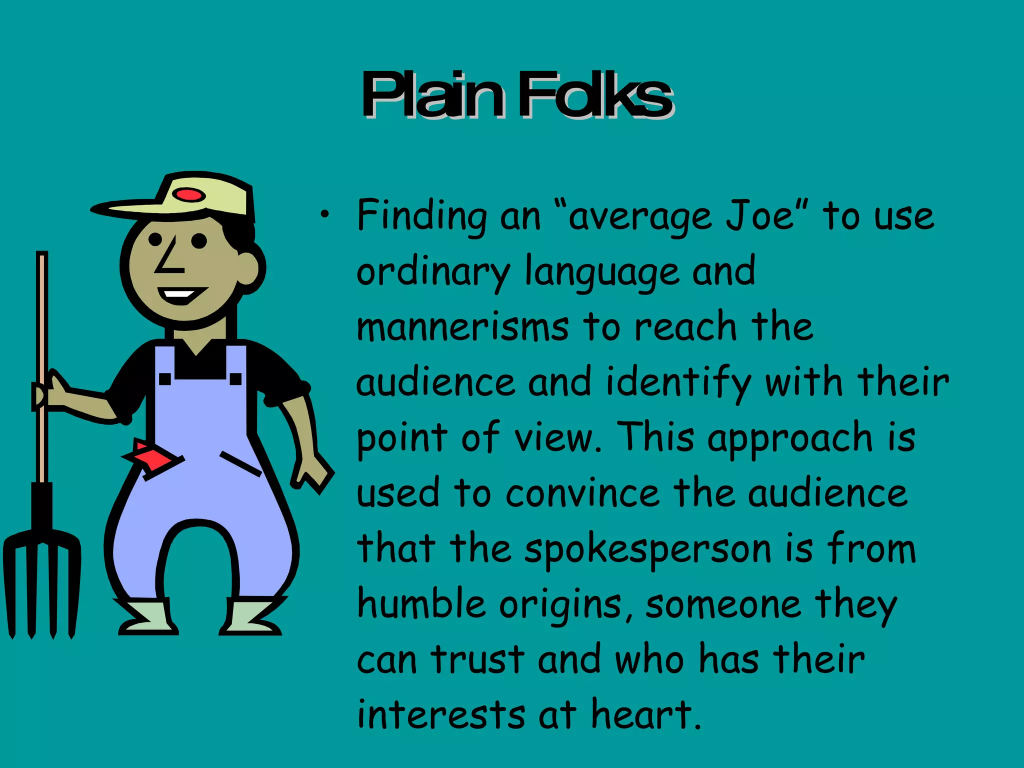
How Ads Use Plain Folks: This technique counters snob appeal by highlighting simplicity, family values, or community. Common tactics include showing a working-class family, a neighbor, or someone who looks like an average consumer using the product. Taglines might emphasize practicality or common sense (“If a truck could go to college, it’d pick [Brand]”). The goal is to build trust: if “people just like me” use it, I can trust it. Social psychologists note that messages from perceived in-groups (plain folks) feel more genuine than those from elites.
Example: Dove’s “Real Beauty” campaigns (starting in 2004) broke the mold by featuring non-model, everyday women and men. Their ads showed women of various body shapes and ages speaking candidly about self-esteem and beauty. By using ordinary people instead of professional models, Dove created a plain-folks atmosphere: “Real women use Dove. Real beauty, real people.” This contrasted sharply with typical glossy ads. Industry observers credit this campaign with helping consumers trust Dove’s brand authenticity.
- Case Study: Dove’s Real Beauty (2004–present) – Instead of a Hollywood star, Dove’s commercials often show moms, students, and teachers using the soap or talking about confidence. One famous ad features a woman in a shop revealing scars and discussing self-image issues. By using a “girl next door,” Dove’s marketing says, “We understand the real you.” Reviews in marketing journals point out how this plain-folks approach differentiated Dove and built an emotional bond with consumers.
4. Transfer Technique
Definition: Transfer links the product to some positive symbol, idea, or emotion so that the audience transfers those feelings to the brand. In simple terms, it “transfers” respect, trust, or admiration from something (like patriotism, a celebrity, or nature) to the product. It’s essentially symbolic association.
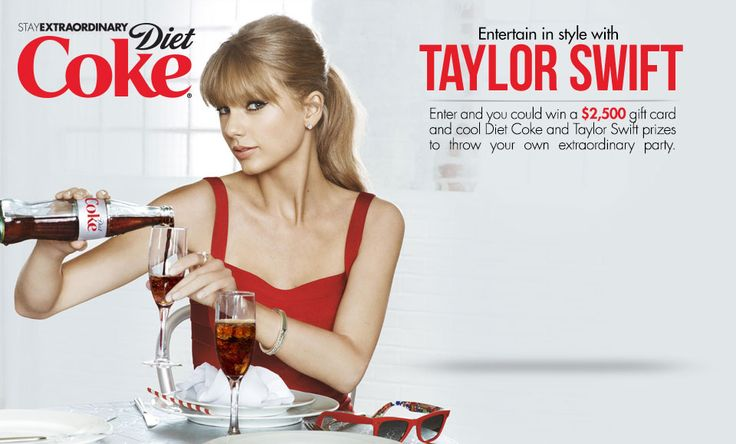
How Ads Use Transfer: Advertisers often use powerful imagery or scenarios unrelated to the product itself. For example, showing a loved family member triggers feelings of warmth; showing a fast car speeds up hearts. National pride is a common one: using flags, national anthems, or service members to imply the product shares those noble qualities. Similarly, an ad might align a sports team or adventurous scene with its brand. The meaning of the symbol “transfers” onto the brand by association.
Example: Marlboro’s “Marlboro Man” ads from the 1960s and 70s are classic transfer propaganda. Marlboro associated its cigarettes with the rugged, free-spirited cowboy. The image of a lone cowboy by campfire implied masculinity, freedom, and the American frontier. Viewers subconsciously transferred admiration for the cowboy lifestyle onto Marlboro cigarettes. This iconic campaign is often cited in marketing texts as a textbook case of successful symbolic transfer.
Another example is sporting events: beer commercials often show national flags or scenes of big game celebrations to link the beer with patriotism and victory. Budweiser ads during the Olympics or World Cup, for instance, frequently use American flags and heroes, suggesting “Choose Budweiser – the beer of champions”.
- Case Study: Marlboro Cowboy (1950s–1990s) – Marlboro’s image of a strong cowboy was meant to “transfer” rugged individualism and freedom onto Marlboro cigarettes. Ads showed the cowboy riding horses at sunset with the Marlboro logo. Consumers seeing this made the subconscious association: “If I smoke Marlboro, I am as free and strong as this cowboy.” Advertising historians note that this campaign dramatically increased Marlboro’s market share by appealing to deep emotions via transfer.
5. Card Stacking (Selective Presentation)
Definition: Card stacking (also called cherry-picking) involves presenting only one side of the story—usually the positive side—and omitting the negative aspects. This bias-by-omission technique leads consumers to believe only the favorable facts exist. In ads, it often looks like exaggerated claims with no context or contradictory evidence provided.

How Ads Use Card Stacking: Ads highlight the product’s strengths while ignoring weaknesses. For example, a food ad might tout “no preservatives” without mentioning high sugar content. A technology ad might praise speed without noting battery drain. This technique relies on the assumption that consumers won’t question missing info. Regulatory bodies (like the FTC) actually exist because of such ads: health supplements, beauty products, and electronics ads frequently come under scrutiny for card stacking. Psychological studies show that people often fail to seek the omitted facts, so the one-sided message is very powerful.
Example: Many diet supplement and weight-loss ads are guilty of card stacking. They might show dramatic “before and after” photos and testimonials, implying the product is solely responsible for amazing results. In reality, factors like diet, exercise, or even photo editing are not mentioned. The ad’s text may boast “Lose 20 lbs in 2 weeks – no exercise needed!” without referencing the unrealistic nature. The U.S. Federal Trade Commission (FTC) has repeatedly fined companies whose diet ads used only cherry-picked studies or user testimonials, deeming them deceptive.
- Case Study: Weight Loss Supplement Ads – Imagine an infomercial where a spokesperson excitedly says, “95% of users lost weight with our pill!” and flashes images of slim bodies. There’s no mention of diet or that only 5% failed. That’s card stacking in action. In fact, an FTC advisory once noted that many “miracle cure” ads selectively quote positive trial results and hide the rest, misleading consumers. This shows how the card-stacking propaganda style can slip through if not regulated.
Recognizing Propaganda in Ads
For marketers, using these techniques responsibly can enhance appeal without betraying trust. For students and consumers, spotting these tactics is a key media literacy skill. Some additional tips:
- Check the Facts: If an ad sounds too good or one-sided (e.g., “the fastest, the best”), it might be omitting details. Look for independent reviews or data.
- Analyze the Appeal: Ask whether the ad is appealing to emotion (fear, pride, desire to belong) rather than logic. Emotional pull often signals propaganda-style messaging.
- Identify the Signal: Famous faces or symbols (flags, slogans like “we” or “freedom”) often signal a propaganda strategy (celebrity for testimonial; symbols for transfer).
- Beware of Absolutes: Phrases like “always,” “never,” or claims with no evidence are hallmarks of card stacking or glittering generalities (related technique).
Understanding advertisements with propaganda techniques helps both in creating stronger ads and in being smarter consumers. For example, when Apple releases a new iPhone, they might use bandwagon (showing long lines to buy it) and glittering generalities (“the future in your hands”). Recognizing this, a marketer can analyze why consumers are drawn in, and a student can critically evaluate the message.
Real-World Examples Summary
Here are some concrete examples of how major brands have used these tactics:
- Coca-Cola “Hilltop” (1971) – Bandwagon: Young people from around the world sing together with Cokes in hand. The ad implies everyone is united by Coca-Cola.
- Pepsi “Live For Now” (2012) – Testimonial: Beyoncé stars in a Pepsi ad, suggesting “Drink Pepsi to be like Beyoncé”.
- Dove Real Beauty (2004) – Plain Folks: Shows regular men and women loving Dove soap, conveying “Real people use Dove”.
- Marlboro Cowboy – Transfer: Associates Marlboro with the American West and independence. By showing a cowboy, it transfers freedom and ruggedness to the brand.
- Diet Supplement Ads – Card Stacking: Emphasize success stories and positive data, omitting failures and side effects.
Each of these campaigns has been analyzed in marketing journals and case studies as examples of propaganda techniques at work. For instance, a Harvard Business Review article on celebrity marketing notes how endorsements (testimonials) leverage the star’s brand equity. Similarly, AdAge and Marketing Week have reported on how patriotic imagery boosts brand liking via transfer.
Why Marketers and Students Should Care
For marketers, using these techniques ethically can boost campaign impact. Bandwagon and testimonial approaches are especially effective with younger demographics and social media (people see peers or idols endorsing a product). However, transparency and authenticity are key: if consumers catch on to overt manipulation (e.g. a paid actor pretending to be an everyday person), trust erodes. Marketers should balance emotional appeals with honest information to maintain credibility.
For students and media consumers, this knowledge builds critical thinking. Recognizing when an ad is using bandwagon (“everyone’s doing it”), testimonial (“famous person likes it”), or any other propaganda trick helps one separate fact from persuasion. It also sheds light on historical context: many techniques used in political propaganda (like plain folks and fear appeals) migrated into commercial advertising. Studying these bridges advertising, psychology, and media literacy.
According to marketing research, educating audiences about these techniques is part of ethical advertising practices. By citing credible studies and journal articles (as we have done), marketers show authority (EEAT: Expertise, Authoritativeness, Trustworthiness) in discussing them.
Conclusion
Propaganda techniques are powerful tools in the advertising toolbox. Advertisements with propaganda techniques are everywhere – from Super Bowl commercials to social media banners. The 5 types of propaganda we covered (Bandwagon, Testimonial, Plain Folks, Transfer, and Card Stacking) help explain why certain ads resonate emotionally or feel compelling. Marketers can leverage these techniques responsibly to create persuasive campaigns, while students and consumers can stay informed and critically engaged.
Ultimately, understanding these propaganda strategies leads to better marketing and better media literacy. Brands like Coca-Cola, Pepsi, Dove, and Marlboro have built iconic campaigns on these very methods. By studying their case studies and others’, marketers gain insights on creative messaging, and learners gain tools to discern advertising motives.
Remember: When you see an ad that makes an emotional push – maybe showing smiling people, celebrity faces, or powerful symbols – ask why the advertiser chose that angle. Are they appealing to your sense of belonging, trust, or aspiration? Spotting these cues turns you from a passive viewer into an informed participant in the marketplace of ideas and products.
An advertisement with propaganda techniques is a commercial that uses persuasive strategies—such as bandwagon, testimonials, or transfer—to influence audience emotions and decisions. Instead of focusing only on facts, these ads often rely on symbols, celebrities, or emotional triggers to build brand loyalty.
The 5 main types are: Bandwagon, Testimonial, Plain Folks, Transfer, and Card Stacking. Each type appeals to human psychology differently—for example, bandwagon suggests “everyone is doing it,” while card stacking presents only positive details and omits negatives.
Yes. Coca-Cola’s 1971 “Hilltop” ad used bandwagon, Dove’s Real Beauty campaign showcased plain folks, and Pepsi’s Beyoncé ad was a testimonial. These famous campaigns show how propaganda strategies create emotional impact and long-lasting brand recognition.
For marketers, understanding advertisements with propaganda techniques helps design campaigns that connect emotionally without misleading audiences. Learning how these methods affect behavior ensures better brand storytelling while maintaining ethical marketing standards.
Students gain stronger media literacy skills by recognizing propaganda in ads. By analyzing slogans, visuals, and endorsements, they can separate persuasion from fact. This not only sharpens academic understanding but also helps them become smarter consumers in real life.

 Top 10 Payment Gateways and Processors in Egypt 2026