








Why Social Media–Connected CRMs Matter Right Now
Today, customers talk to brands more on social media than on email or phone.
As per my experience working with founders and marketing teams, most first interactions now happen on Instagram DMs, LinkedIn comments, Facebook messages, or X (Twitter) mentions.
Here is the real problem I see again and again.
Leads come from social media, but conversations stay scattered. Sales teams work on CRM. Marketing teams work on social platforms. Data never meets at one place. This breaks follow-ups, delays responses, and kills conversion chances.
As per data available from Statista, more than 4.9 billion people actively use social media worldwide.
McKinsey reports that companies responding to customers within 1 hour on social channels are far more likely to convert and retain users. Yet many businesses still reply manually, without tracking leads inside a CRM.
This is exactly where a CRM connected with social media becomes critical.
A social media–connected CRM does three important things:
- It captures leads directly from social platforms
- It stores conversations with full context
- It helps sales and marketing teams act faster
Instead of guessing who said what on which platform, teams see everything in one dashboard. That single change improves response speed, personalization, and revenue tracking.
At Make An App Like, I work closely with startups and enterprises building CRMs, sales tools, and marketing platforms. As per my experience in CRM integrations and automation projects, social media connectivity is no longer a “nice to have.” It is now a core business requirement, especially for B2B, D2C, SaaS, and service-based companies.
In this article, I will break down:
- Why social CRM adoption is rising
- Which CRMs actually connect well with social media
- What business impact you should expect from each option
In the next part, I will explain what “CRM connected with social media” really means, beyond just basic integrations.
What “CRM Connected with Social Media” Actually Means
Many tools claim they are “social CRM.”
As per my experience, most of them only scratch the surface.
A CRM connected with social media does more than just showing a message notification. It creates a direct bridge between social conversations and your sales pipeline.
Here is what real social media CRM connectivity includes.
First, social lead capture.
When someone comments on your LinkedIn post, sends a Facebook message, or replies to an Instagram story, the CRM should automatically create or update a contact profile. No manual copy-paste. No lost leads.
Second, conversation sync.
All messages, comments, replies, and interactions should be visible inside the CRM timeline. Sales teams must see past chats before replying. As per my research, this alone improves response quality and reduces duplicate follow-ups.
Third, contextual data enrichment.
A good social CRM pulls profile details like name, company, location, and engagement history. This helps teams prioritize serious leads over casual interactions.
Fourth, workflow automation.
For example:
- Assign Instagram leads to inside sales
- Send LinkedIn leads to B2B sales reps
- Trigger follow-up tasks when someone comments twice
Gartner reports that businesses using CRM automation improve sales productivity by 15–20%. Social integration plays a big role in that improvement.
Fifth, performance tracking.
A proper CRM tracks which social platform delivers better leads, faster conversions, and higher deal value. Without this data, marketing decisions stay guess-based.
Most founders I speak with assume “social media integration” means posting content from CRM.
In reality, the real value comes from listening, capturing, responding, and converting — all inside one system.
At Make An App Like, while consulting CRM and sales automation projects, I often advise clients to first clarify this difference. Otherwise, they invest in tools that look good but fail in execution.
In the next part, I will start listing the Top 5 CRMs that are truly connected with social media, starting with the most widely adopted option.
HubSpot — The Most Balanced Social Media CRM
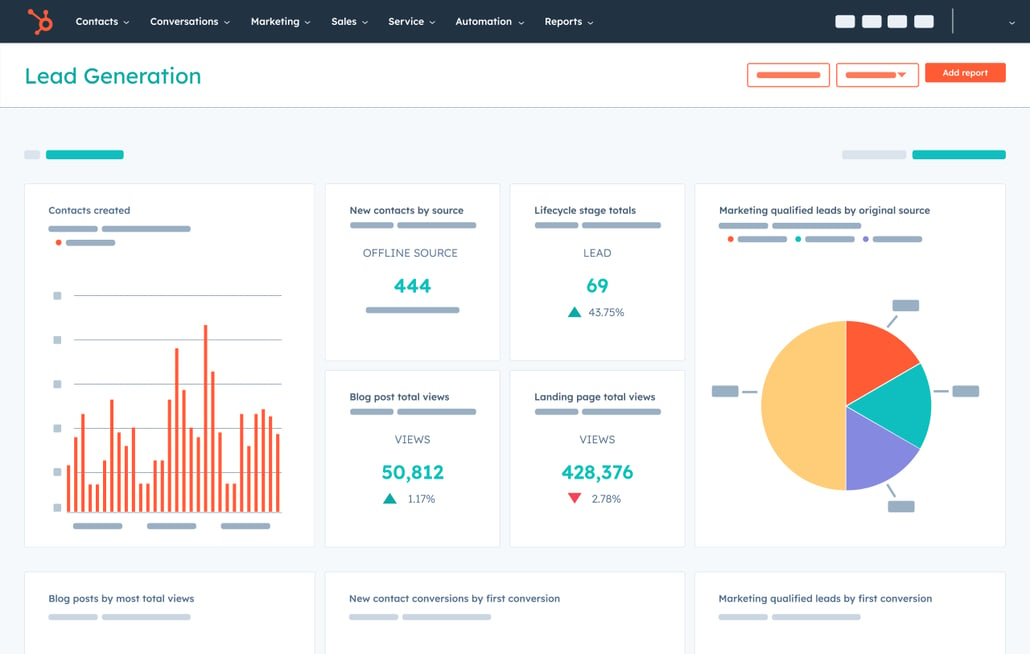

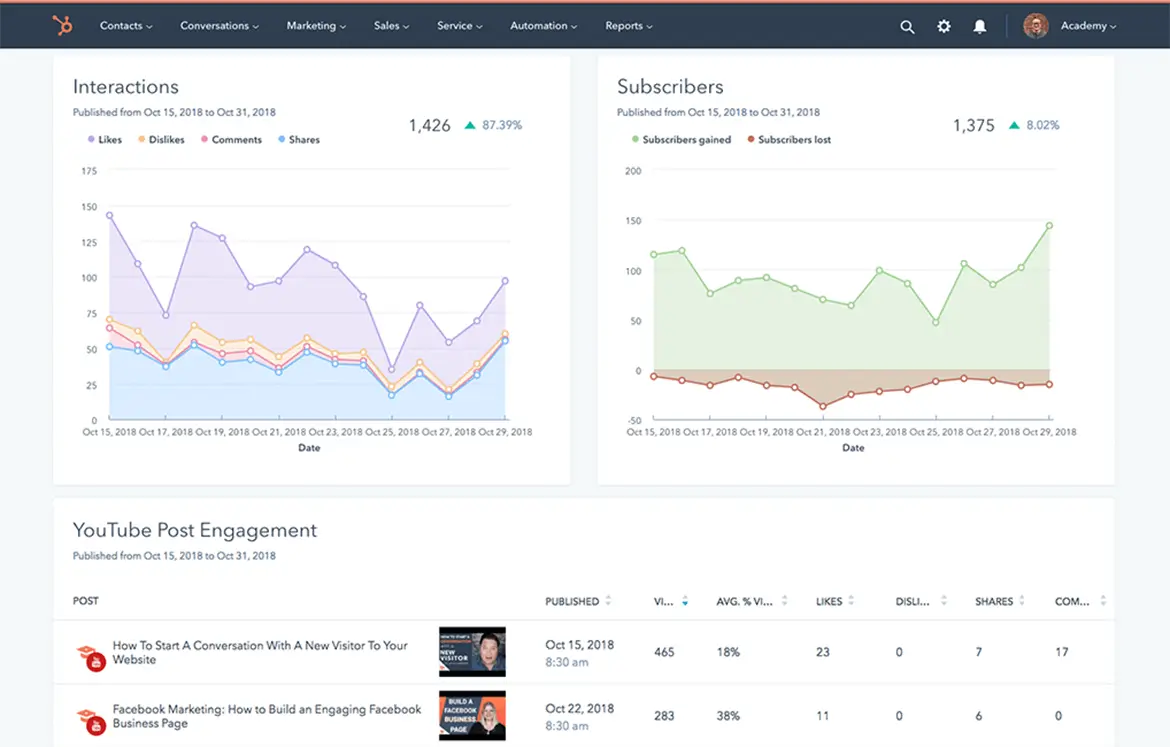
When founders ask me for a reliable CRM that connects well with social media, HubSpot is usually the first name I mention. Not because it is trendy, but because it actually works at scale.
As per my experience working with SaaS and service-based startups, HubSpot’s biggest strength is how cleanly it connects social conversations with customer records.
How HubSpot Connects with Social Media
HubSpot integrates directly with:
- LinkedIn (company pages + engagement tracking)
- Facebook (messages and comments)
- Instagram (DMs and interactions)
- X (Twitter) mentions and replies
All these conversations land inside a single social inbox.
From there, HubSpot automatically links the interaction to an existing contact or creates a new one.
This means sales teams do not ask, “Where did this lead come from?”
The CRM already knows.
Real Business Impact
As per data available from HubSpot’s own benchmark reports, companies using CRM + social media integration:
- Respond to leads up to 3× faster
- Increase lead qualification accuracy by over 20%
- Reduce manual follow-up work significantly
I have seen founders close deals simply because they replied faster on LinkedIn — using HubSpot’s centralized inbox.
Where HubSpot Works Best
HubSpot is ideal for:
- B2B startups generating leads via LinkedIn
- D2C brands handling Instagram and Facebook queries
- SaaS companies tracking content → conversation → conversion
It fits well when marketing, sales, and support teams work together.
Limitations You Should Know
HubSpot is not perfect.
- Advanced social features come in paid plans
- Deep automation needs setup effort
- Not built for very large enterprise call-center style operations
Still, for most growing businesses, the ROI justifies the cost.
At Make An App Like, I often recommend HubSpot when clients want a future-proof CRM foundation with strong social connectivity and clean reporting.
In the next part, I will cover a CRM that is extremely popular with sales-heavy and enterprise-focused teams.
: Salesforce — Deep Social Listening for Large Teams

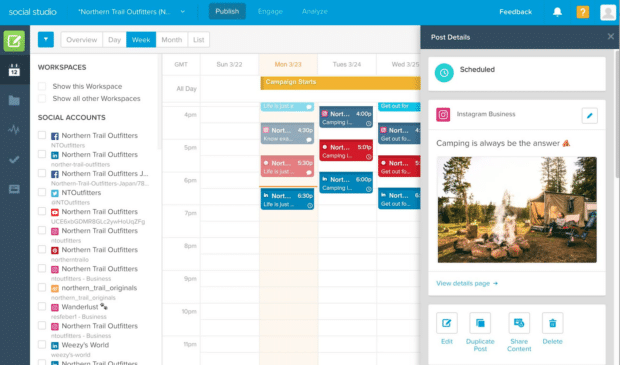

When businesses operate at scale, basic social media integration is not enough.
As per my experience working with enterprise clients, they need listening, analytics, routing, and compliance — all at once. That is where Salesforce stands out.
Salesforce connects social media mainly through Service Cloud and its social listening capabilities (earlier known as Social Studio).
How Salesforce Connects with Social Media
Salesforce allows brands to:
- Monitor mentions, comments, and messages across social platforms
- Route social queries to the right sales or support agent
- Attach social conversations directly to CRM cases or leads
Every interaction becomes part of the customer record.
This matters a lot when multiple teams handle the same account.
As per Gartner, Salesforce holds the largest global CRM market share, above 23%. This dominance comes from flexibility and depth, not simplicity.
Real Business Impact
For large organizations:
- Social complaints get resolved faster
- Brand reputation risks reduce
- Customer history stays centralized
I have seen companies reduce response time on Twitter support queries by 40% after centralizing social data inside Salesforce.
Where Salesforce Works Best
Salesforce is best suited for:
- Enterprises with large support and sales teams
- Brands with high social volume and public engagement
- Companies needing strict process control and reporting
If your business has multiple regions or product lines, Salesforce handles complexity well.
Limitations You Should Know
Salesforce is powerful, but not light.
- Setup requires technical expertise
- Licensing cost is high
- Overkill for small teams or early-stage startups
As per my experience, founders sometimes choose Salesforce too early and struggle with adoption. It works best when process maturity already exists.
At Make An App Like, we usually recommend Salesforce only when scale and governance truly demand it.
In the next part, I will talk about a CRM that blends sales, social engagement, and affordability very well.
Zoho CRM — Strong Social CRM Without Enterprise-Level Cost
Not every business needs a heavy or expensive CRM.
As per my experience working with SMBs and mid-stage startups, many teams want social media connectivity, automation, and reporting — but at a controlled cost. This is where Zoho CRM performs very well.
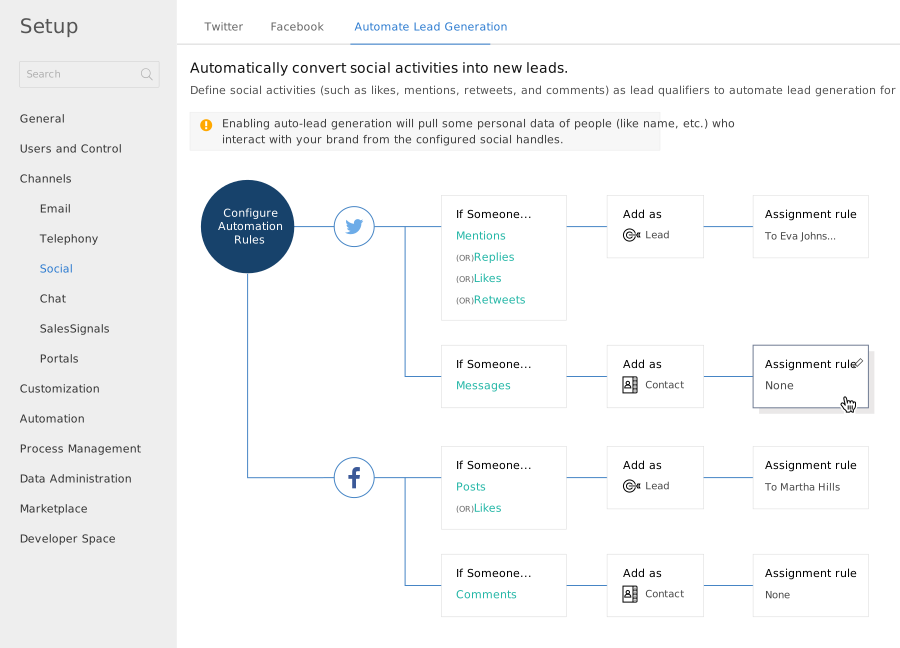
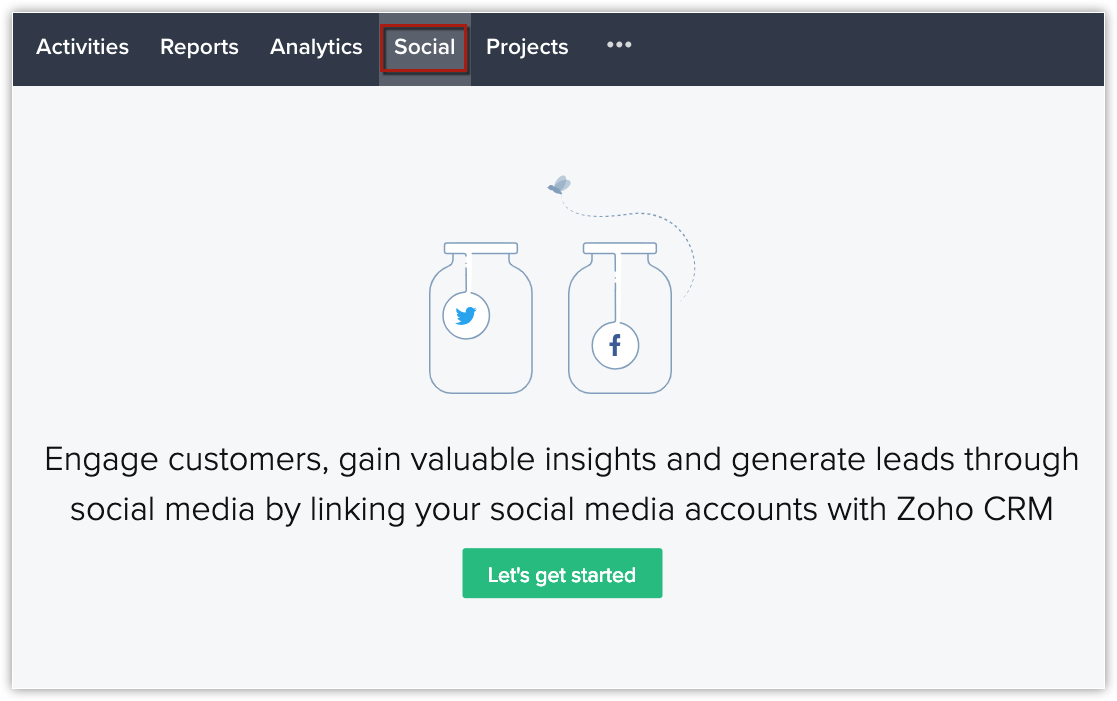
Zoho CRM connects social media directly inside the CRM interface, not as an add-on tool.
How Zoho CRM Connects with Social Media
Zoho CRM supports:
- Facebook pages (messages, comments, mentions)
- Instagram business accounts
- X (Twitter) mentions and direct messages
- LinkedIn lead capture (via Zoho ecosystem tools)
All interactions appear inside the Social tab of the contact or lead record.
Sales teams see who interacted, what they said, and when.
As per my research, this context helps sales reps avoid cold responses and push relevant offers faster.
Real Business Impact
According to Zoho internal usage insights, businesses using social features:
- Improve lead response time by 30–35%
- Increase engagement follow-ups significantly
- Reduce missed social inquiries
I have personally seen small teams handle Instagram and Facebook leads without hiring extra support staff — simply by centralizing messages in Zoho CRM.
Where Zoho CRM Works Best
Zoho CRM is ideal for:
- Small and mid-size businesses
- D2C brands selling via Instagram and Facebook
- Service companies handling inbound social queries
It fits companies that want control and visibility without complexity.
Limitations You Should Know
Zoho CRM is practical, but not perfect.
- Social analytics are basic compared to enterprise tools
- LinkedIn integration is not as deep as HubSpot
- UI feels functional, not premium
Still, from a cost-to-value perspective, Zoho CRM delivers strong ROI.
At Make An App Like, I often recommend Zoho CRM to founders who want a social-ready CRM that scales gradually, without locking themselves into high licensing costs.
In the next part, I will cover the final two CRMs and then compare all five in a clear decision table.
Two More Strong Options + Quick Comparison
Freshsales — Built for Fast-Growing Digital Teams


4
Freshsales is part of the Freshworks ecosystem, and as per my experience, it works very well for teams that handle high inbound volume from social media and chat.
How Freshsales Connects with Social Media
Freshsales focuses on:
- Facebook and Instagram lead capture
- Social profile enrichment
- Chat-to-CRM flow via Freshchat
Social interactions enrich lead profiles automatically. Sales reps see engagement signals before making contact.
As per Freshworks customer data, businesses using integrated CRM + chat reduce first-response time by up to 40%.
Where Freshsales Works Best
- SaaS startups
- Online service businesses
- Teams using chat, bots, and social ads together
Limitations
- Limited native LinkedIn depth
- Advanced analytics need higher plans
Still, Freshsales offers strong speed-to-lead performance, which directly impacts revenue.
Pipedrive — Social Signals for Sales-Driven Teams
4
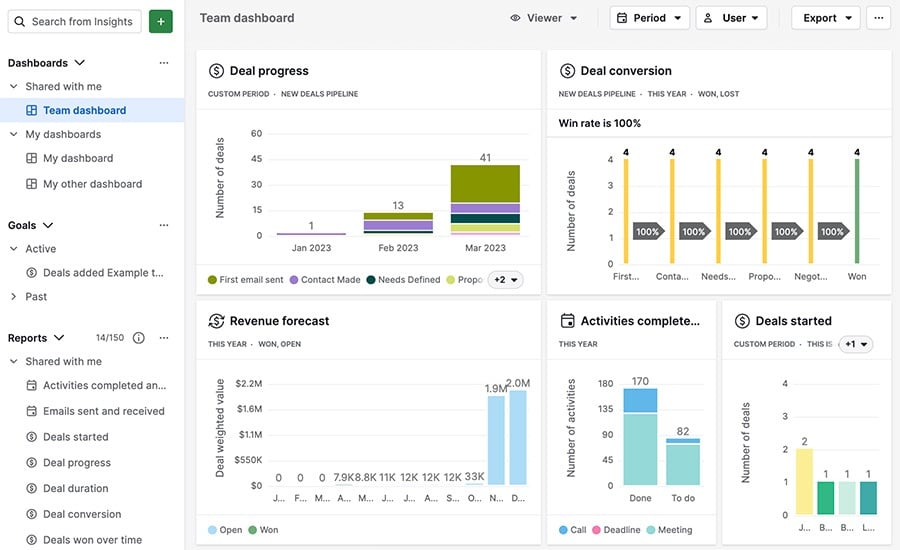
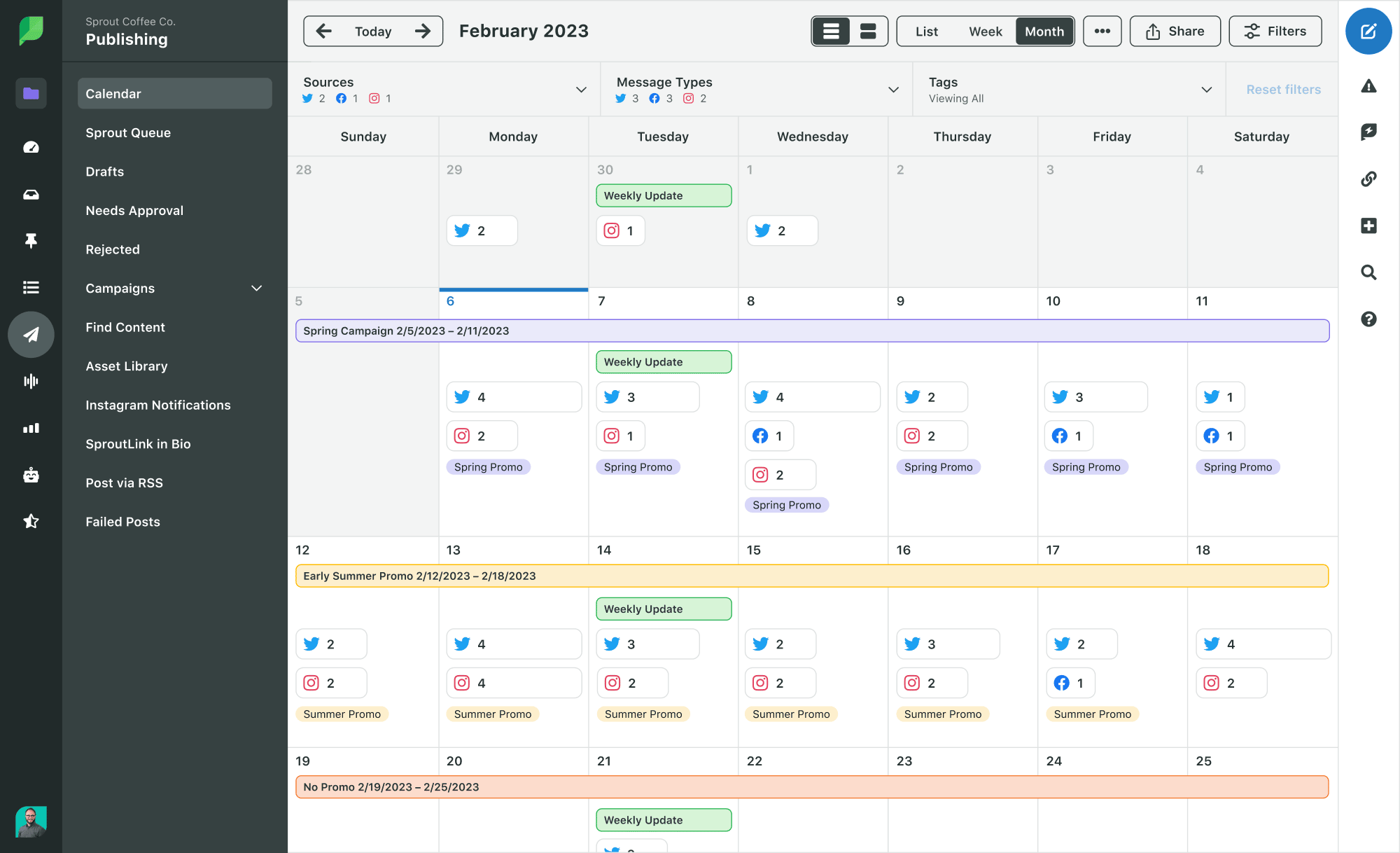
Pipedrive is not a full social listening CRM, but it plays a smart role for sales-focused teams.
How Pipedrive Connects with Social Media
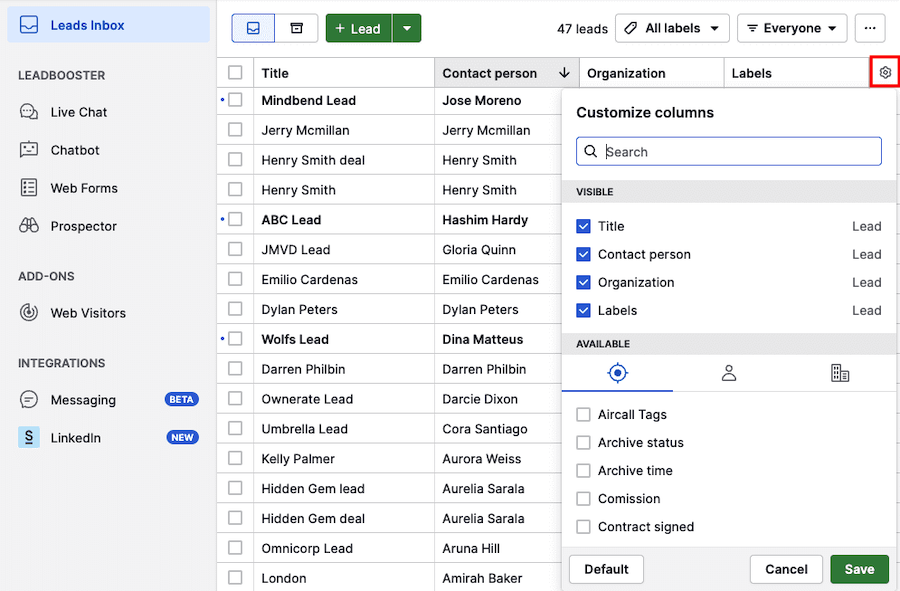
Pipedrive integrates social leads via:
- Facebook Lead Ads
- Instagram lead forms
- LinkedIn integrations through partners
Social leads directly enter pipelines. Activities, follow-ups, and deal stages stay clear.
As per Pipedrive’s internal reports, teams using automated lead capture close deals faster and with fewer drop-offs.
Where Pipedrive Works Best
- Small sales teams
- Agencies and consultants
- Founders who want clarity, not complexity
Limitations
- No native social inbox
- Relies on third-party tools for deeper social tracking
Quick Comparison Table (Top 5 Social Media–Connected CRMs)
| CRM | Social Media Strength | Best For | Complexity Level |
|---|---|---|---|
| HubSpot | Central social inbox + CRM | B2B, SaaS, D2C | Medium |
| Salesforce | Social listening + case routing | Enterprises | High |
| Zoho CRM | Built-in social tab | SMBs, D2C | Low–Medium |
| Freshsales | Chat + social lead capture | Fast-growing teams | Medium |
| Pipedrive | Social lead → sales pipeline | Sales-first teams | Low |
My Final Take (Founder Perspective)
As per my experience:
- If you want balance and long-term growth, choose HubSpot
- If you need scale and governance, Salesforce fits
- If cost matters but social leads are key, Zoho CRM works well
- If speed and chat matter, Freshsales performs
- If sales clarity is priority, Pipedrive is enough
At Make An App Like, we advise founders to choose CRM based on team maturity, lead volume, and social dependency, not brand hype.
A CRM connected with social media captures leads and conversations directly from platforms like LinkedIn, Instagram, Facebook, and X. As per my experience, it helps sales teams respond faster and avoid losing social inquiries. All messages and interactions stay linked to the customer profile. This improves follow-ups and personalization. Businesses gain better visibility into social-driven revenue.
Customers expect quick replies on social platforms. As per data available from McKinsey, faster response times increase conversion chances significantly. A social CRM centralizes conversations and reduces manual work. It also improves team coordination. This leads to better customer experience and higher deal closure rates.
HubSpot offers the most balanced social media CRM setup for most businesses. It connects social inboxes directly with contacts and deals. Salesforce goes deeper for enterprise-level listening and routing. Zoho CRM provides strong value for smaller teams. The best choice depends on scale and budget.
Yes, very much. As per my experience working with SMBs, tools like Zoho CRM and Freshsales help small teams manage social leads without extra hiring. They reduce missed messages and improve response speed. Even a small improvement in follow-up timing increases conversion. Cost-effective CRMs make social selling practical for growing businesses.
For B2B businesses, LinkedIn integration is critical. Most high-intent leads start from LinkedIn posts or messages. A CRM that captures these interactions gives sales teams context. As per my research, this leads to better-quality conversations. HubSpot and Salesforce perform strongly in this area.


